
Anúncios
Can the same swipe that sparks romance now build real friendships? This question frames a shift in how people meet after 2020.
Bumble’s BFF began in 2016 and became a standalone app in 2023, while Timeleft moved from hosted dinners to weekly Wednesday nights in 275 cities. These moves show how platforms aim to help people meet new people and form bonds beyond romance.
Anúncios
Post-pandemic data helps explain the momentum: in 2021 nearly half of Americans were unhappy with their social circles, yet by 2024 about 75% reported better satisfaction. Still, an APA poll found 30% feel lonely weekly, and a 2023 Bumble survey says two-thirds of Gen Z met a friend online.
In this listicle we’ll explore why the mechanics mirror dating apps but shift intent toward hobbies, neighborhoods, and life stage fit. We’ll also unpack safety, verification, the community design that attracts more women, and the real work—what some call the “200-hour” truth—behind turning matches into relationships.
Anúncios
The pandemic-to-present shift: loneliness, social reset, and the need to make new friends
Post-2020 life upended casual encounters, pushing adults to seek deliberate ways to meet new people.
The pandemic acted like a social reset. Many people realized their everyday support networks had thinned. In 2021 nearly half of Americans said they were not satisfied with their number of friends.

From isolation to intention
That gap matters. An APA 2024 poll found 30% of adults felt lonely at least weekly. By 2024, however, about 75% reported satisfaction with their number of friends, hinting at gradual recovery.
Gen Z leads online friend-finding
A 2023 Bumble survey found two-thirds of Gen Z had met a friend online. This normalized using platforms once tied to dating and showed that younger people often turn to digital spaces to build real bonds.
Work-from-home life and the “time” problem
Remote and hybrid schedules cut down on casual office interactions. That reduced “corridor time” makes it harder to nurture connections.
Now adults are more intentional: they’re looking for neighbors, hobby partners, and life-stage peers. That effort requires scheduling and repeated contact — and honest time investment — which many calendars resist.
“Rebuilding a social life takes planning, not just chance.”
Swipe to socialize: how dating app behaviors normalized friend-finding
Users learned one UX pattern — swipe, match, chat — and applied it to building a social circle. That familiar flow lowers friction and makes trying new connections feel less risky.
Same mechanics, new goals: swipe right, match, chat—minus the romance
Bumble BFF mirrors the dating app setup with profiles, photos, and prompts like “The three things that make a friendship great are…”. Hey! VINA uses swipe mechanics and vibe‑forward prompts plus Party group chats to nudge people toward groups, not just one‑on‑one chats.
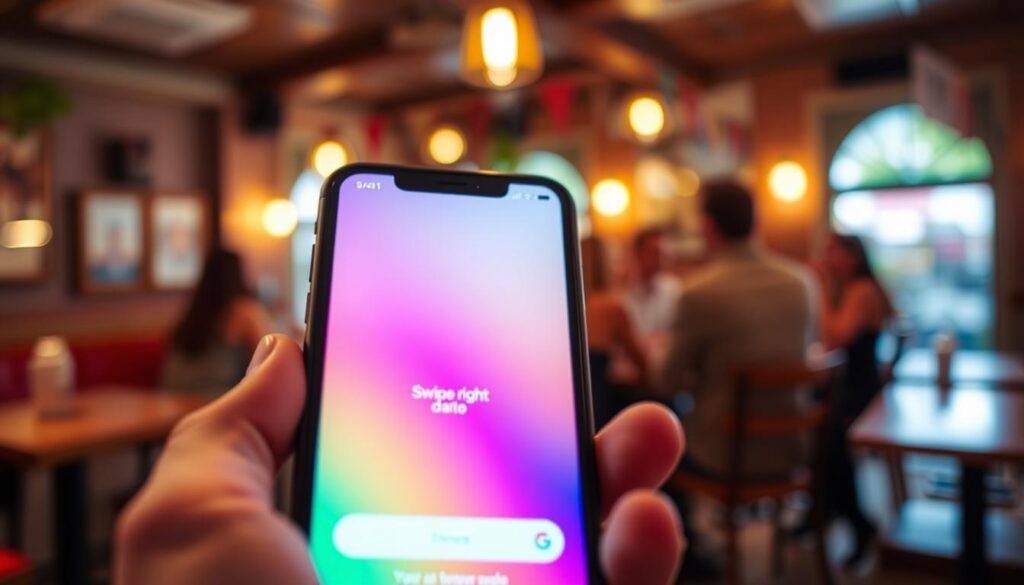
Prompts and short bios shift focus to personality fit, shared humor, and concrete interests. Friend profiles often list hobbies, local routines, and weekly availability so users can picture real overlap.
Familiar UX also reduces the learning curve. People build friend lists in the same ways they once built date lists. But early chats can stall without clear meetup plans, which makes offline bridges important later in the article.
- Verification and photo checks reduce catfishing and build trust.
- Mindsets shift from performative flirting to low‑pressure conversation.
- Success usually depends on cadence — repeated, small interactions over time.
Friendship-First Dating Apps
Several modern platforms now treat making friends as a local, intentional activity rather than a random encounter.
Core players include Bumble BFF, Timeleft, Hey! VINA and adjacent services such as Peanut, Yubo, and Meetup. Each offers a different route to real-world connections.
Bumble BFF uses scale and simple prompts to help recent grads and city movers find hobby overlap and routines. Large pools make matches easy and quick to test.
Timeleft runs curated Wednesday dinners in 275 cities to turn online interest into predictable offline meetups. The schedule reduces friction and raises follow-through.
Hey! VINA is women-only, with vibey prompts and interest tags that make profiles feel personal and welcoming.
Nearby options matter: Peanut links moms through shared life stages, and Yubo leans on live video chat to lower first-meeting anxiety and curb catfishing.
“These platforms create a safe place to try new connections by matching real interests with proximity.”
- Filter by interests and location to narrow matches.
- Group formats and recurring events boost meetup rates.
- Video and prompts build trust before an in-person first meet.
| Platform | Core Offer | Best for | Notable feature |
|---|---|---|---|
| Bumble BFF | Profile prompts & large user base | Recent grads, movers | Quick matching |
| Timeleft | Curated group dinners | People who prefer structured meetups | Weekly cadence |
| Hey! VINA | Women-only interest tags | Women seeking vibe-led groups | Party group chats |
| Peanut / Yubo / Meetup | Communities & video chat | Moms, live-video users, hobby groups | Interest-led events |
Features that actually help people meet new people IRL
Real-world bridges are built when platforms remove the guesswork around time, place, and headcount.
Timeleft’s scheduled group dinners as an offline bridge
Timeleft matches small groups with a personality quiz, books the table, and runs weekly Wednesday dinners in 275 cities.
About 60% of its users are women, many in their 30s and early 40s. The set reservation and steady cadence cut planning friction and make attendance a simple habit.
Bumble BFF prompts that highlight interests and personality
Bumble’s short prompts surface routines and concrete interests on a user profile. That clarity helps matches suggest easy meetups — coffee, a walk, or an after-work show.
Verification adds a trust layer so people feel safer moving from chat to real life.
Hey! VINA’s Party chats and vibe-first prompts
Hey! VINA groups people into Party chats by interests like astrology, music, and TikTok. Those clusters create warm intros and group momentum that often convert into IRL hangs.
The key feature across these services is reducing logistics and boosting micro-commitments. Use interest-forward tools — tags, prompts, and parties — to plan low-effort first outings like a market visit or a local show.
Women-first, safer-feeling spaces are fueling adoption
Design choices that center women’s comfort are changing how people meet. Those choices lower risk and make starting a chat feel less awkward.
Women-only and women-led design: Hey! VINA and Peanut for moms
Hey! VINA is women-only and uses vibe-forward prompts plus Party group chats to warm introductions. That setup encourages people to start conversations and plan quick, low-pressure hangs.
Peanut began when Michelle Kennedy set out to help mothers find support through shared stages like newborn care and postpartum life. Life-stage alignment makes logistics — nap schedules, parks, or playdates — easier to plan and follow through on.
Verification and tone: why follow-through rises
Bumble BFF adds profile verification to cut down on catfishing and raise comfort for meeting IRL. Verified profiles plus women-led prompts create a tone that values respect, clear boundaries, and mutual support.
- Lower perceived risk leads to higher meetup rates, especially for newcomers to a city.
- Shared norms encourage quicker transitions from chat to in-person relationships.
- These design choices set behavior standards that benefit everyone on the platform.
“Design that protects and guides makes it easier to turn a match into a real connection.”
Pick the app whose guardrails match your comfort and social goals to boost chances of lasting relationships and a steady friend circle.
Location, life stage, and shared interests: smarter matching drives better connections
Smarter matching leans on where you live, what stage you’re in, and the hobbies you keep.
Neighborhood proximity and moving to a new city
Living close increases the odds of chance encounters. Short trips to the same café or park create repeated contact that deepens connections.
People who recently moved benefit from filters that surface nearby users in similar situations. Bumble BFF often attracts recent grads and city movers for this reason.
Life stage filters: post-grad, new moms, young professionals
Use life-stage filters to find people in the same chapter. Post-grad cohorts or folks a few years out can bond over career shifts and social routines.
Peanut connects new moms for stroller walks and park meetups. Clockout focuses on young professionals with work-oriented matching for co‑working and after‑work plans.
Interest tags and groups: writing, knitting, astrology, and beyond
Interest tags make low-pressure first meetups easy. Hey! VINA’s Party groups and Meetup’s recurring events turn hobby lists into real gatherings for writing, knitting, or astrology chats.
Better matching is less about bios and more about syncing logistics and free-time cadence. If you’re looking to form steady ties, combine filters and tags to build a short list of nearby people with overlapping availability and goals.
The IRL bridge: why group hangouts and repeated touchpoints work
When people meet in recurring groups, showing up becomes easier than planning a one-off hang.
Weekly cadence reduces friction
Scheduled meetups, like Timeleft’s Wednesday dinners, create a steady rhythm. They give people a set time and a low-stakes reason to appear.
Vox reported participants ranged from early 30s professionals to recent movers. Those regular nights kept attendance simple and predictable.
From chat to WhatsApp groups: sustaining momentum
Small groups lower pressure on any single person to lead conversation. That makes shy folks more likely to speak up and stay engaged.
After a dinner, many form a WhatsApp group and move beyond the in-app chat. Third-party messaging keeps invites and plans alive.
- Repeating touchpoints — weekly or biweekly — turn acquaintances into friends.
- Seeing the same people across different places builds layered familiarity.
- Groups let natural subgroups form, which leads to one-on-one hangouts later.
- Suggest recurring formats like “Wednesday walks” or “Sunday coffee and a market” as simple ways to mirror what works.
| Benefit | Why it helps | Practical tip |
|---|---|---|
| Predictable cadence | Reduces planning fatigue | Pick a weekday and keep it consistent |
| Small group size | Less pressure, more voices | Limit to 6–10 people |
| Cross-venue repeats | Builds layered familiarity | Rotate between cafés, parks, shows |
The reality check: effort, time investment, and the 200-hour friendship truth
Close friendships rarely appear overnight; they form when people spend predictable hours together. Research suggests about 200 hours of shared time is a useful benchmark to move from acquaintance to close friend.
Most bonds deepen through ordinary routines — coffee runs, weekend walks, or recurring classes — not one perfect hangout. Endless chat threads often stall unless someone proposes a clear plan with a date, time, and place.
Being the person who follows up matters. Initiate a specific invite, suggest a simple repeatable format, and pick small commitments that add up.
- Use a monthly book club or a weekly run to build steady contact.
- Track which formats stick and adjust based on what feels easy for both people.
- Recognize that energy and life changes mean not every match will evolve over the years — and that is normal.
Keep expectations realistic and protect your own energy. Patience plus simple, repeated plans is the practical fact that helps friendships grow without burning out.
What users love—and what still frustrates them
What stands out in user feedback is a clear split between features people love and recurring friction points.
Pluses that keep people coming back
Large user pools speed discovery and raise the odds of finding nearby people. Simple swipe flows and concise prompts cut through awkward intros.
Profile verification adds trust, and Hey! VINA’s Party groups give a warm, group-first option that helps people start a real chat.
Common frustrations and practical fixes
Many report matches that go quiet or never meet IRL. Endless in-app loops create fatigue after heavy swiping.
- Stall point: conversations loop without a plan. Suggest a time and location to make first move.
- Try a second, friendly ping — busy schedules often cause no-response.
- Rotate platforms to avoid burnout and focus on quality over quantity.
- Use verification and interest filters to cut mismatch odds.
| Point | Why it matters | Quick fix |
|---|---|---|
| Large pools | More discovery | Use filters to narrow results |
| Verification | Builds trust | Prioritize verified profiles |
| Chat fatigue | Stops follow-through | Set swipe limits and meeting windows |
Beyond the big names: niche and community-centric apps and platforms
Local and hobby-focused platforms create steady routes from online interest to real-life meetups.
Meetup, Yubo, Twitch, and Discord
Meetup runs event-first groups that help people join recurring local gatherings for writing, knitting, or hikes.
Yubo’s live video chat acts as a quick verification step and warms up conversations before a first meet.
Twitch and Discord host communities that often plan IRL meetups, turning shared streams or servers into in-person friend groups.
Nextdoor and Clockout: utility and professional focus
Nextdoor excels at neighborhood notices, local services, and event posts. It’s useful for finding a place event or a local service, but less tuned for one-on-one intimacy.
Clockout targets post-grads and young professionals with work-forward profiles. The platform supports networking that can evolve into social ties over months and years.
Combine community-centric platforms with friend-focused apps to diversify discovery. Preview profiles and interest tags to pick the best place to invest energy each week.
| Platform | Primary function | Best use |
|---|---|---|
| Meetup | Interest-based events | Recurring local gatherings |
| Yubo | Live video chat | Fast verification, warm-up calls |
| Twitch / Discord | Community servers | Shared hobbies to IRL meetups |
| Nextdoor / Clockout | Local utility / work networks | Neighborhood updates; professional peers |
Safety, authenticity, and catfish control in friendship apps
Trust is built when platforms offer clear rules and simple ways to confirm who you’re talking to.
Profile verification, video chat, and human moderation
Bumble BFF supports profile verification to boost user confidence and set expectations for respectful relationships. Verified badges help people decide who to meet and make follow-up easier.
Yubo’s in-app live video chat lets a person confirm identity without sharing a phone number. That quick check lowers first‑meet anxiety and reduces catfishing.
Communia uses a human verification team to screen new users. Manual review creates safer spaces for marginalized communities and raises overall trust.
- Clear community guidelines and active moderators keep conversations constructive.
- Check photo recency, confirm plan details in-app, and pick public venues for initial meetups.
- Report suspicious behavior quickly so platforms can protect users and preserve quality.
| Method | What it does | Best use |
|---|---|---|
| Automated verification | Flags fake accounts | Fast trust signal |
| Live video | Confirms identity | Before first meet |
| Human review | Contextual screening | Safer communities |
Authenticity starts with an accurate profile and honest intentions. Good safety practices protect both parties and help chats turn into real-world coffee or longer-term relationships.
How brands iterate: from features inside dating apps to standalone friend apps
Companies now treat friendship as a distinct product challenge, moving social features into dedicated products that solve for platonic goals.
bumble bff’s path from mode to standalone
bumble bff started as a mode in 2016 and launched as its own app in 2023. That change shows demand for clear, nonromantic intent.
Separation matters because teams can build a roadmap and metrics focused on friend outcomes, not romance. When engineers and designers aim at friendship, prompts, verification, and filters are tuned differently.
- Network effects from large user pools improve matching across cities and life stages.
- A standalone identity reduces mixed signals and helps people state intent clearly.
- Dedicated features make onboarding, local discovery, and IRL bridges easier to iterate on.
“Building product features for friendship requires different success metrics and a long view on safety and conversion.”
Conclusion
The last few years changed how people look for connection. Post-2020 shifts plus tools like Bumble BFF (now standalone in 2023) and Timeleft’s dinners in 275 cities show demand for platonic rebuilding.
Use profiles and interest tags to make new and to make friends with intent. Verification and video chat cut catfishing risk, and two‑thirds of Gen Z report meeting a friend online. Remember the 200‑hour rule: small, repeated plans build close bonds.
Practical next steps: refine your profile, pick one platform, and send a specific invite to make first move — coffee, a walk, or a weekly meet. Try multiple apps briefly to find the best way to turn matches into besties.