
Anúncios
Have you ever wondered if your furry best friend misses having new playmates during daily walks?
Modern technology offers amazing ways to connect pets, making the task of socializing pets much safer and more fun for everyone involved.
Anúncios
Today, we’ll show you how to put together an authentic introduction that attracts the right friends.
Choosing the ideal platform for your companion
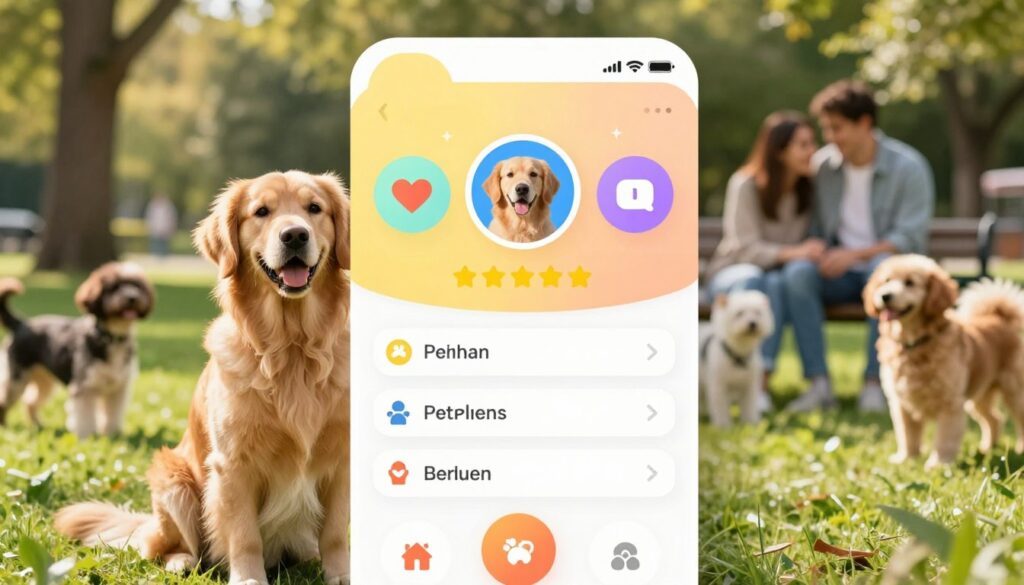
Finding the perfect digital environment for your pet requires attention to detail and a good amount of research. Choosing the right platform is the first step in ensuring a positive and safe experience for your best friend.
Anúncios
When searching for pet apps, it’s important to evaluate the usability and interface of each option. An intuitive platform makes it easy to create an attractive dating app profile, allowing you to connect your pet with other companions quickly and efficiently.
Main apps available on the global market
There are several interesting options on the international scene that facilitate socialization between animals. Among the most modern alternatives, Bumpy stands out for offering a fluid experience focused on connecting owners and their pets.
These pet apps function as dedicated social networks, where the main focus is well-being and fun. When exploring these tools, observe if the community is active and if the functionalities meet the specific needs of your pet.
How to verify data security and privacy
Pet safety should always be your top priority when browsing the internet. Before completing your dating app profile, check if the app only requests essential information and if it has clear data protection policies.
Look for reviews from other users and see how the platform handles complaints or inappropriate behavior.
Maintaining pet safety means ensuring that interactions occur in a controlled environment where your companion’s privacy and your own are respected at all times.
The art of choosing the perfect profile picture.

Choosing photos of your pets should be done with care, as they are your companion’s calling card in the digital world.
A well-done photo conveys confidence and helps create a friendly pet profile that stands out from so many others.
Lighting and framing tips for pets
Natural light is your best ally when photographing. Avoid using flash, which can scare the animal or cause a bright eye effect, and prefer times with soft light, such as early morning or late afternoon.
Framing also makes all the difference in the final result. Therefore, try to position yourself at your pet’s eye level to create a more intimate and direct connection with those viewing the profile.
- Focus on the animal’s eyes to convey emotion.
- Use a clean background to avoid visual distractions.
- Adjust the angle to capture your pet’s true size.
- Ensure the environment is evenly lit.
Showing Your Pet’s Personality Through Images
Each animal has a unique way of interacting with the world. To build a friendly pet profile, choose images that show whether your pet is more playful, calm, or curious.
If your pet loves to sleep, a relaxed photo on the sofa can be much more authentic than a forced pose.
Action Photos vs. Posed Photos
Posed photos are excellent for showing your pet’s physical appearance and the care you give them, conveying organization and making them great for your main profile picture.
On the other hand, action photos reveal your pet’s energy and zest for life. Capturing the moment they chase a ball or jump in a park shows other pet owners what a real and fun encounter would be like.
Writing a Bio That Wins Hearts
Your pet’s bio is the business card that opens doors to new friendships in the digital world. A creative bio not only attracts attention but also helps other pet owners understand if your companion is the ideal match for a date.
By taking the time to write something unique, you ensure that your profile stands out among so many others.
Often, we look for inspiration in ready-made templates, such as a Tinder bio, to understand how to synthesize a personality in a few lines. The secret is to adapt this style to the animal world, maintaining the lightness and fun that the theme demands.
The Ideal Tone of Voice for the Profile
The tone of voice should always be friendly and inviting, reflecting your pet’s energy. If it’s a playful animal, use words that convey joy and enthusiasm. If it’s more tranquil, opt for a serene and welcoming tone.
Maintaining authenticity is the shortest path to creating a friendly pet profile. Avoid overly formal or technical terms, preferring language that sounds like a conversation between friends in the park, remembering that the goal is to create a real connection between pet owners and their animals.
Highlighting your pet’s likes and dislikes
Listing what your pet loves or dislikes is an excellent way to filter for compatibility, avoiding misunderstandings and helping you find playmates who share your lifestyle. Be specific and honest about their preferences.
Here are some examples of what you can include to make the description more complete:
- She loves chasing tennis balls in the park.
- She hates rainy days or very loud noises.
- She loves taking long naps in the sun during the afternoon.
- She doesn’t like sharing her favorite toys with strangers.
How to Describe Temperament Authentically
Describing animal behavior requires a keen eye for the details of daily life. Instead of using generic adjectives, tell small stories or describe habits that define who your pet is.
For example, describing him as “the king of the house who loves to receive visitors” says much more than simply saying he is sociable.
Conclusion
Creating a dating app profile for your pet is a fun journey that strengthens the bond between you. This process goes far beyond just finding dates, as it helps you better understand your companion’s needs.
By following these tips, you ensure that the process of socializing pets is safe, respectful, and focused on animal welfare. Technology can be a great ally in finding playmates that match your pet’s energy and temperament.
Remember that patience is key during this adaptation phase. The main focus should always be on animal welfare, ensuring that each interaction is positive and stress-free for everyone involved.