Anúncios
What if the usual advice—“just go outside and talk”—misses the mark in places where everyone knows your name and privacy is scarce?
Online dating in small towns differs from the city scene in ways that matter. Options are fewer, visibility is higher, and a stalled match can feel personal.
Anúncios
This guide promises practical steps: choose the right apps, craft a profile that fits local life, message with clear intent, and turn chats into low-pressure plans that respect your community vibe.
Many people burned out by repeated swipes find that deleting apps helps briefly but doesn’t rebuild social opportunities. Instead, build a satisfying life outside of swipes to protect self-worth.
Anúncios
Expect advice grounded in real experience: how to handle gossip, the ex factor, and small dating pools while making steady progress toward love without losing motivation.
Why online dating feels different in small towns
In close-knit communities, each match can feel like a public event rather than a private conversation. Choices on apps shrink and every decision carries more weight because social circles overlap so often.
Shallow dating pool, high visibility
A limited dating pool magnifies each swipe. With fewer fresh faces on apps, people may hesitate to message when mutual friends or familiar faces appear.
Visible moments—an offhand kiss at a diner or a quick goodbye in the grocery aisle—can become the next day’s topic of conversation. That makes privacy harder to protect and raises the emotional stakes of each date.
The ex factor and the gossip mill
Running into an ex at Friday night events or the local market is common. Shared venues and routines mean boundaries and grace matter more than they might in larger places.
High school and school-era ties also linger in adult social graphs, shaping how people perceive new matches and past choices.
“Word travels fast here. What feels private online can become public in a single afternoon.”
- Adapt by widening your radius thoughtfully and choosing low-visibility first-meet locations.
- Keep early chats low-key and avoid oversharing about past relationships.
- Try regional events or online hobby groups when the local pool feels tapped out.
| Option | When to use | Benefit |
|---|---|---|
| Local meet | Low time investment | Convenient, familiar |
| Regional event | Pool feels small | Fresh faces, less overlap |
| Online hobby groups | Build rapport first | Shared interest leads |

Small Town Dating: setting expectations that actually work
Life outside a city changes how people look for romance — pace, travel, and community ties all shape the process.
Country, rural, and compact towns: what shifts
Country dating often means long drives, distant neighbors, and chores tied to land work. Meeting someone may take planning and larger blocks of time.
Rural stretches have fewer venues and require road trips to social spots. Expect fewer casual meetups and more scheduled plans.
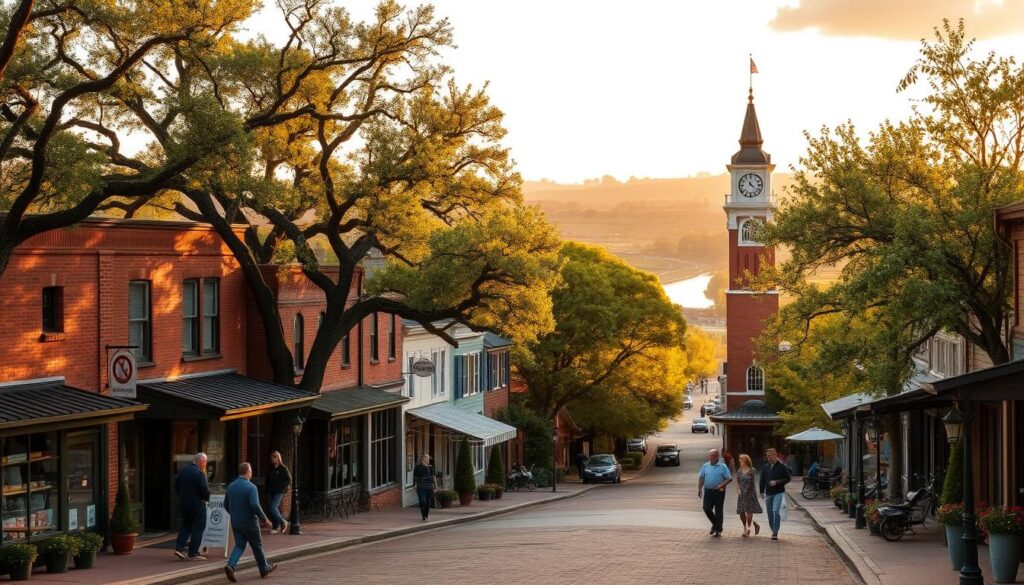
Compact towns pack people into a visible core. That brings built-in trust and reputational accountability, and cheaper, simpler date options like stargazing or milkshakes.
What stays the same and how to prepare
Across places, shared values, honest communication, and clear intentions matter for healthy relationships.
“Read character over time; knowing someone since high school can be an advantage if you set boundaries.”
- Focus on fit: work ethic, kindness, reliability over city-style markers.
- Plan fewer first meetings but deeper conversations to protect momentum.
- Set practical partner criteria: driving distance, work schedules, weekend rhythms.
| Area | Logistics | Benefit |
|---|---|---|
| Country | Long drives, sparse neighbors | Quiet space, self-reliance |
| Rural | Limited venues, scheduled trips | Shared projects, slower pace |
| Compact towns | Walkable, visible social core | Faster trust, more introductions |
Set realistic expectations and pace yourself. Progress may look different than in a city, but it often leads to relationships grounded in day-to-day fit.
Build a standout online profile for a small-town audience
A profile that shows real routines and local ties attracts people who value trust over flash. Emphasize everyday life and clear intentions so potential matches see who you are before you meet.
Photos that signal trust and real life
Pick clear, recent shots of real activities: coffee at the diner, fishing by the creek, or volunteering at a fair. Avoid city-styled backdrops that feel out of place.
Include one friendly group photo to suggest social proof and one solo portrait near golden hour to avoid harsh night lighting.
Bio hooks that reflect values and lifestyle
Mention community ties like mentoring, Sunday leagues, or helping neighbors. Add one or two concrete interests that make a simple date idea obvious.
- Value-forward line: “Weeknights are for family dinners, weekends for trails and local games.”
- Clear intention: say if you want steady dating or a long-term relationship.
- Next-step cue: invite a low-key date—split a milkshake or visit a food truck.
Privacy-smart details: share enough without oversharing
Avoid listing exact workplaces, street names, or daily routines. Give the region broadly and reveal specifics after trust builds.
Keep captions respectful and skip name-dropping friends. In one word: be gracious to sidestep gossip and keep introductions comfortable.
Choose and use dating apps strategically when the pool is small
When your local pool runs dry, a careful app strategy can expand options without wasting time. Focus on quality over volume and pick tools that match rural rhythms.
Widen radius and refine filters
Use two apps: one mainstream for reach and one interest-based for shared hobbies. That balances quantity with compatibility.
Increase your search radius by 10–25 miles to include nearby communities. Keep non-negotiable filters—work schedule, family priorities, or kids—so results stay relevant.
Messaging that cuts through awkwardness
Batch app time into two focused windows per day to reduce fatigue and reply faster. Faster replies boost matches and momentum.
Open with gentle familiarity: “I think we’ve crossed paths at the farm stand—coffee this week?” This eases conversation without pressure.
- Pivot to a date within 5–8 messages: suggest one specific, low-cost idea and two time options.
- Keep profile details current—update for harvest, sports seasons, or festivals to show active life.
- When mutual acquaintances appear, acknowledge lightly and protect privacy; move forward respectfully.
- Create a short-list of 3–5 promising people each week and follow through instead of endless swiping.
| Action | Why it works | How to do it |
|---|---|---|
| Two-app approach | Diversifies pool without wasting time | Mainstream + interest-based; check each once per session |
| Radius + filters | Finds fresh faces while staying relevant | Expand 10–25 miles; keep lifestyle must-haves |
| Batching + shortlist | Reduces burnout and increases follow-through | Two daily sessions; star 3–5 profiles weekly |
Turn online matches into real dates that fit small-town life
Turn online chat into an easy, low-pressure meeting that fits local routines and keeps gossip low.
Start with low-cost, low-drama plans that feel genuine. Split fries and a chocolate milkshake at the diner, bring a blanket for a stargazing night, or pack a creekside picnic with lemonade and sandwiches.
Timing matters: pick off-peak hours to lower visibility—weeknights after dinner or late-afternoon weekend slots work well. That reduces attention and gives you space to talk.
Choose spots just off Main where you can relax and hear each other. Avoid the busiest corner booth or headline events on opening night.
- Quiet loop at a local park or a farmer’s market stroll followed by coffee.
- Library event then a short walk—good for steady conversation without an audience.
- Weather backup: bowling alley, hardware-store coffee stand, or a covered porch chat.
Try a time box for first meets: 60–90 minutes. It keeps energy fresh and makes a second date easier to plan.
Offer a brief safety script: “I’ll bring my friend by phone text if we want a quick check-in.” Make it casual and respectful so both people feel secure.
Small gestures matter—walk someone to their truck or bring a thermos of cocoa. After the date, send a same-night message saying thanks and suggest one concrete plan for next time to keep momentum.
Protect your privacy and peace of mind
Protecting your peace starts with simple choices about what you reveal online and in person.
Set profiles to privacy-by-default: list a general area and hobbies, but hold back exact workplaces, daily routes, or family details until trust builds.
Choose meeting spots that reduce attention. Sit away from the main walkway, pick quiet corners, and keep early affection low-key to avoid becoming conversation fodder.
Use mental health tactics: limit app checks to set times each week, mute threads that drain energy, and plan offline days to reset.
“Protecting privacy is pacing information, not secrecy; let relationships unfold on your terms.”
- Handle past relationships with brief, respectful language—avoid naming mutual acquaintances.
- Have a plan for overstepping: block, report, save screenshots, and tell a trusted friend for support.
- Meet first in daylight or early evening, travel separately, and send a start/finish check-in text to someone you trust.
- LGBTQ+ readers can favor niche apps and private groups to set tighter filters and reduce risk.
| Area | Action | Why it helps |
|---|---|---|
| Profile | Share region + interests, not exact locations | Limits discoverability while showing fit |
| First meet | Daytime, well-lit, own transport, check-in text | Improves safety and reduces local attention |
| Mental health | App limits, mute, scheduled offline time | Prevents burnout and keeps perspective |
If the process becomes draining, take a short reset. Adjust filters, change meeting habits, and return when you feel grounded.
Beat burnout: mindset, pacing, and community support
When the process becomes tiring, a mindful pause can restore perspective and protect your self-worth. Recovery is about practical steps, not avoidance.
When to take an app break—and what to do instead
Signs of burnout include scrolling without messaging, dreading replies, and feeling a lot of pressure after every small rejection. These patterns are common where social circles overlap.
Try a two-week app pause when motivation drops. Replace screen time with one community activity per week—join a rec league night or volunteer shift to meet new people in a low-pressure way.
Practical habits to protect momentum
- Cap active conversations to three and focus on depth, not volume.
- Lean on friends to co-plan outings like board games or potlucks to widen circles gently.
- Set a weekly cadence: two short app sessions, one in-person activity, one friend hang, one solo reset.
- During a break, try skill classes, faith groups, or regional events that pull in neighbors from nearby areas.
When you return, update one photo and one bio prompt, prune stale matches, and send three targeted messages that suggest a concrete next step. Treat rejection as data, not a verdict, and use community support to stay steady.
Conclusion
Finding a partner in a close community asks for tools and tempo that respect local life and privacy. Match your app choices, messaging habits, and meeting plans to how people move in a small town and you’ll see steadier results.
Focus on fit over volume: let values and routine guide who you pursue. Roots like school ties and family networks can reveal character when you use them thoughtfully, not as gossip fodder.
Celebrate small wins—a good conversation, a relaxed first date, a second plan. Take one concrete step this week: refresh one profile prompt and invite someone to a simple plan.
With patience, clear boundaries, and community sense, you can find love in a small town at the right pace.