
Anúncios
Can an app built for speed and spectacle actually help someone who prefers calm, deep connections?
This guide shows how dating tools can better serve people who favor depth over flash. It maps a clear way to choose apps, write profiles, and pace chats to protect your energy.
Anúncios
We explain the difference between introversion and temporary shyness, so you can pick features that match your personality from the start. Expect realistic steps for opening conversations, setting boundaries, and keeping momentum without burnout.
Because dating often highlights extroverts, this guide points out app workflows that let quieter users shine. By the end, people will have practical tactics to date with less stress and more intention in the United States.
Anúncios
Understanding Introverts and Shy People before you download any app
Before you download any app, it helps to know whether quiet recharge or social anxiety shapes your approach. That difference guides what features will protect your energy and time.
Introversion is about where you draw energy: inward focus and calm settings. Shyness centers on fear of judgment in social situations and can make first messages feel risky.
Brain research helps explain this. Extroverts often get a dopamine reward from novelty, while introvert brains respond more to acetylcholine and can feel overstimulated in busy feeds.
Many introverts need quiet to concentrate and recover after crowds. Recognizing your subtype — social, thinking, anxious, or restrained — clarifies which app flows fit your personality.

| Subtype | Dating pace | App features to prefer |
|---|---|---|
| Social | Slow to medium | Small-group events, low-notice meetups |
| Thinking | Deliberate | Deep prompts, profile questions |
| Anxious / Restrained | Slow | Structured icebreakers, scheduled chats |
Why the right app matters for introverts, shy people, and ambiverts in the United States
A carefully chosen dating platform reduces pressure and preserves energy while you search for a match. The right app cuts down on draining social situations by letting message-first contact and slow pacing be the norm.
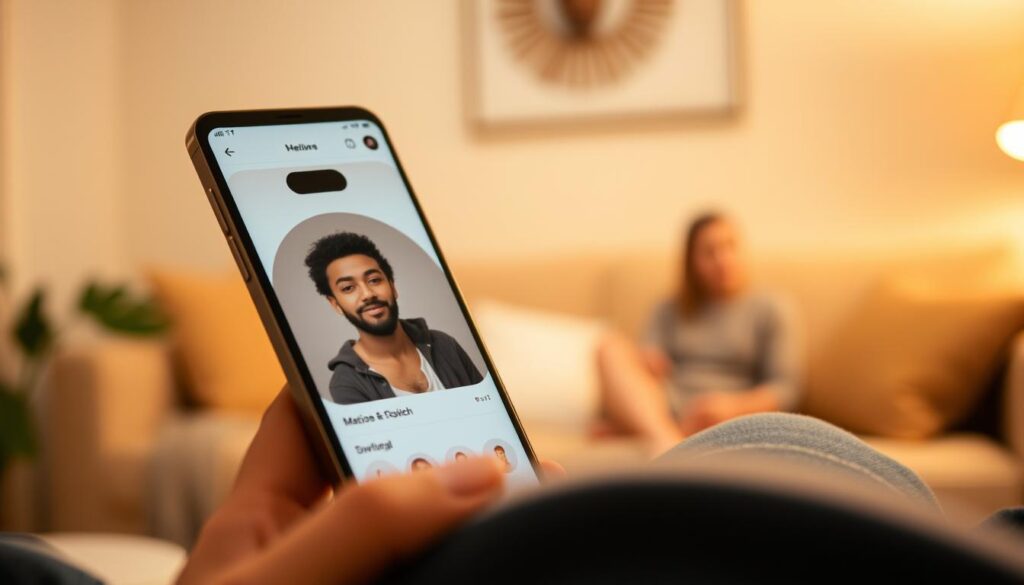
Common challenges: social situations, starting conversations, and energy drain
Many face fear about awkward openers and fast replies. Shyness can make it hard to start conversations or say no to plans.
Sudden overwhelm in a group or at a party often ends the night early. That fatigue costs time and alone time for recovery.
Underrated strengths: deep focus, listening skills, and thoughtful pacing
Quiet people often excel at listening and long-form thinking. Apps that highlight longer bios, interest tags, and prompts show off these skills.
| Need | App feature | Benefit |
|---|---|---|
| Protect energy | Message-first matches, snooze | Fewer surprise meetups; predictable day planning |
| Start conversations | Saved prompts, topic cards | Less fear about awkward openings |
| Move offline | Micro-dates, scheduling tools | Small-group or one-on-one meets that fit your type |
Features to look for in dating apps tailored to introversion and shyness
Pick dating tools that give control of timing, tone, and notification flow. Small design choices can protect energy and make conversations more manageable.
Asynchronous, low-pressure conversations
Asynchronous messaging lets people reply when energy is highest. This preserves alone time and removes the rush of live replies.
Robust filters and prompts
Strong filters for interests, values, and lifestyle cut down on small talk. Built-in prompts turn blank screens into structured openings.
- Saved prompts and topic cards reduce fear at first contact.
- Voice notes and short video prompts add warmth without live calls.
- Time-bound swiping windows set clear limits for spending time on the app.
“Gentle icebreakers can make starting a conversation almost painless when shyness spikes.”
Safety, pacing, and design for low stimulation
Look for snooze modes, message limits, and status toggles that keep a lot of chats from piling up. A calm UI with minimal alerts suits an introvert brain better than a noisy feed.
| Feature | Why it helps | Best for |
|---|---|---|
| Asynchronous messaging | Replies on your schedule | Anyone valuing alone time |
| Profile prompts & filters | Reduces small talk, surfaces shared things | Those who prefer deep conversations |
| Snooze / message limits | Controls pace; reduces overwhelm | Users sensitive to overstimulation |
How Introverts and Shy People can thrive on dating apps today
Design your profile and messaging so the app fits your energy, not the other way around.
Profile and message strategies that fit your personality and conversation style
Showcase listening and focus with prompts like “ideal quiet weekend” or “favorite long-form conversation topics.”
Prewrite 2–3 openers tied to values or hobbies so you can paste when the moment arrives. This reduces fear at the point of contact and keeps momentum steady.
Use short notes to track what a match shares. Jotting a few thoughts helps you craft thoughtful follow-ups that highlight your strengths.
Boundaries and recovery: scheduling, micro-dates, and exiting social situations gracefully
Set clear response windows and tell others you reply in batches. That normalizes your pace and prevents situations where you feel rushed or judged.
Plan 20–45 minute micro-dates like coffee or park walks to protect your day. These low-stakes activities allow easy exits if overwhelm hits.
“I have an early morning but enjoyed this” can be a gentle exit line that protects your recovery time.
Block recovery parts of your week after dates; even good meetings cost energy. Practice kind boundary phrases like “shorter works better for me” to keep plans aligned with comfort.
Conclusion
Match app features to how your brain prefers stimulation. Choose tools that fit your personality and daily rhythms so the whole process feels manageable.
Most people find better outcomes when filters, prompts, and snooze controls reduce pressure in busy situations. This approach cuts fear and makes meaningful topics easier to reach.
Introverts bring listening and long-term focus that make relationships durable. Let those strengths guide the way you pick platforms and plan the day after a date.
Extroverts are simply a different type; pairing the right features with your type beats trying to mimic a party-style flow. Shortlist two apps with robust prompts, write three openers tied to values, and schedule a micro-date within a week to turn insight into action.