Anúncios
What if the dating app you use felt more like a cozy room full of shared stories than a generic marketplace?
Anúncios
This guide points people who identify as Nerds toward platforms that respect fandoms, maker life, and coding culture. It helps you save time by showing clear ways to compare community features and discovery tools.
We frame matching as a set of stories that welcome fans of science fiction, gaming, comics, television, and art. You’ll learn which apps spotlight shared interests and which mainstream services offer strong filters for culture.
Anúncios
Expect practical tips on presenting passions, safety norms, privacy features, and ways apps support friends-to-more connections through group spaces and events. By the end, you’ll have a better way to find love and fun in a world built by people who care about the same things you do.
Why this Product Roundup matters now for geeks and tech lovers
Demographic shifts and product choices are reshaping how people find matches in fandom spaces.
Major companies now publish workforce breakdowns that reveal who builds the apps we use. Those numbers affect which features get prioritized and which groups feel welcome. This matters because industry patterns guide product roadmaps and influence user trust over time.
The current generation grew up on television universes and interactive fiction. Students and creators expect platforms that translate shared story references into actual conversation starters. Writers of fan work have long shown that representation moves online threads into real-life connection.
Inclusive design isn’t optional. On-device privacy, clear reporting, and nuanced interest taxonomies make platforms feel like respectful spaces rather than checklists. Platforms that map fandom calendars, con seasons, and media drops save people burnout and make dating feel like time well spent.
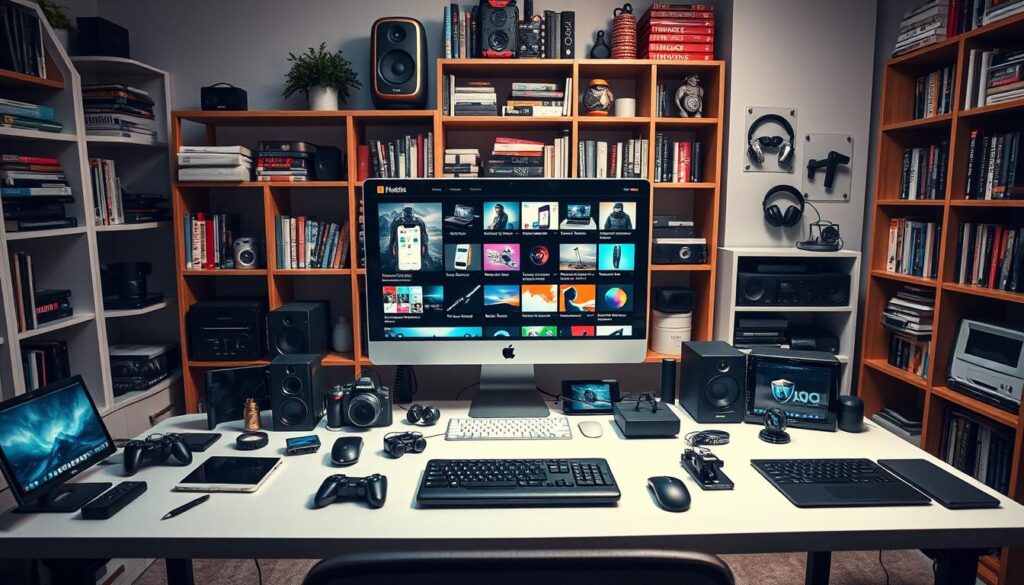
- This guide highlights tools that prioritize safety, discovery, and equitable life outcomes for the future of dating.
How we chose: features that matter to fandoms, tech culture, and inclusive communities
We looked for platform choices that let people signal passion clearly and protect creative work. Our review balances discovery, AI tools, and moderation so profiles reflect real stories without exposing users to common harm.

Signal your fandoms: tags for Star Trek, gaming, sci‑fi, coding, and maker life
Profiles should let users add precise tags—specific Star Trek series, subgenres of sci‑fi, coding stacks, or maker projects. That makes it easier to find matches who share the same stories or cosplay interests.
AI that actually helps: smarter matching, context-aware prompts, and safety tooling
We favor context-aware prompts that improve writing and nudge respectful messages. The best systems use on-device signals for sensitive inference and optional cloud features for enhancement.
Community rules and moderation built to curb harassment and protect creators
History matters: communities formed on LiveJournal, FanFiction.net, and the Organization for Transformative Works taught platforms how to preserve archives and creative work. Harassment flashpoints like Gamergate showed why proactive moderation and clear enforcement are essential.
- Granular tagging so true interests surface in discovery.
- Safety tools that throttle repeat offenders and require consent before images.
- Import options for portfolios, con photos, and fan fiction links with privacy controls.
Best mainstream dating apps with strong geek-friendly discovery
Many large dating platforms now translate niche interests into real discovery tools that help you meet compatible people fast. They keep big pools while letting you filter by gaming, sci‑fi, comics, cosplay, or maker hobbies.
Interest tagging and niche communities without leaving large user pools
Look for apps that let you add precise tags—specific series, consoles, or project types—so your profile tells a clear story. Good tagging turns culture choices into recommendations and boosts meaningful matches.
- Detailed filters for fiction universes and gaming genres.
- Onboarding prompts that suggest fandom-based conversation starters.
- Options to hide work details while prioritizing hobby fields.
Verification, privacy, and anti-harassment features to keep connections safe
Prefer platforms with selfie or short video checks and device-level signals to reduce problem accounts. One-tap reporting, automated escalation, and rate limits cut spam and harassment.
We also weigh accessibility, community spaces inside large apps, and how the industry staffs moderation. Where mainstream products fall short, we note weak taxonomy or image consent gaps so users can judge trade-offs.
Niche platforms built for fandoms, gamers, and science lovers
Specialized dating platforms give fandoms a home where cosplay galleries, fan fiction, and maker projects come first. These spaces let members lead with the stories and builds they love, not buried checkboxes.
Spaces where fan fiction, comics, cosplay, and con culture are first-class
Roots matter: communities once organized on LiveJournal and FanFiction.net, while the Organization for Transformative Works preserved archives. Today’s niche apps mirror that history by centering art portfolios, cosplay galleries, and long-form threads.
Group events and forums that turn shared stories into IRL chemistry
These platforms run con-season calendars, watch parties, and game nights so friends and new matches meet with low pressure and high fun. Panels and LFG groups double as casual mixers and planned meetups.
- Creator protections for image permissions and tagging of sensitive content.
- Forums where writers share work-in-progress and invite feedback.
- Groups for science meetups, maker nights, and astronomy clubs that build momentum over time.
We weigh how apps handle race, gender, and safety so men, women, and nonbinary people find clear norms. The best picks balance people-first design with tech that scales moderation and preserves a welcoming world for all who love fandom culture.
Nerds and Tech Fans: where identity, fandom, and dating intersect
Fandoms give people clear ways to show who they are, making introductions feel natural instead of scripted.
Identity through fan choices often tells a better story about someone’s life than a job title. Simple writing prompts let people show how they spend time and who they spend it with.
From fanfic threads to the first time you meet for coffee, shared stories cut awkwardness. They create immediate entry points for friends or partners to ask about favorite shows or art projects.
Turn con energy into dates that fit your way of being
Translate summer con buzz and gallery nights into low‑pressure plans: maker demos, screenings, or a walk through an exhibit. Clear profile notes invite questions without testing knowledge.
“Survival is insufficient”
| Feature | Why it helps | How to use it | Example |
|---|---|---|---|
| Calendar links | Makes planning group RSVPs easy | Share available slots, not exact locations | Con panel + post‑panel coffee |
| Playlist or build links | Shows creative process | Attach a short note about collaboration | Cosplay build gallery |
| Spoiler tags | Respects context | Use for plot-heavy shows or art reveals | Tag spoilers for a recent series |
Kind profiles balance lore with accessibility. Show your craft, hint at rhythms of life, and keep invites inclusive. That way, people can meet with curiosity and respect.
Community-driven meetups and servers that double as dating avenues
Small campus clubs, Discord rooms, and maker houses create natural paths from group chat to real-world connections.
Look for clear moderation, active event calendars, and a visible volunteer roster. These signs show a healthy culture where people feel safe to join and share.
Good rooms run watch parties, build nights, and co-op tournaments that spark easy conversation and real fun. Subchannels or breakout meetups help smaller groups form around specific fiction or maker interests.
Share availability with intent: post general times or use RSVP tools rather than exact addresses. Keep your home base private until trust grows.
- Check mod presence and escalation paths before engaging.
- Offer ideas like lore trivia or art swaps to show what you enjoy.
- Watch for conversational balance and welcome cues for new people.
| Space Type | What to watch | Best first event |
|---|---|---|
| Discord server | Active mods, clear rules | Watch party or trivia night |
| Campus club | Registered officers, meeting cadence | Build night or study social |
| Maker house | Tool access, credited volunteers | Open shop day or demo |
AI-forward features in 2025: smarter matching, safer chats, better vibes
AI is reshaping how dating apps recommend matches, guide conversations, and keep people safer on first contact.
Apps now split work between on-device models for privacy-sensitive tasks and cloud services for broader discovery. On-device checks handle tone suggestions, photo safety flags, and brief translation snippets. Cloud features add global signals for discovery and richer recommendations when users opt in.
On-device and cloud AI for recommendations, translation, and tone guidance
Wearable translators combine neural machine translation, noise-robust recognition, and hybrid edge/cloud processing. That reduces lag and helps people bridge language gaps in real time on a date.
Mixed reality devices such as Apple Vision Pro 2 (dual 4K micro‑OLED, eye/hand tracking) and Meta Quest Pro 2 (comfort-focused mixed reality) let users audition presence before meeting in person. These previews cut uncertainty and save time.
| Feature | How it runs | Benefit |
|---|---|---|
| Tone guidance | On-device model | Flags harsh phrasing before send |
| Translation | Edge/cloud hybrid | Fast, contextual speech translation |
| Mixed reality previews | Local rendering + cloud scene updates | Safer pre-meet interactions |
- We evaluate latency, opt-outs, and transparency so people know what models are active.
- Platforms should publish industry documentation on data minimization and give toggles to limit AI influence.
- Science-backed safety tools—image blurring for unsolicited photos and context filters—reduce problem interactions over time.
Inclusivity that’s more than a tagline: what representation should look like
A platform’s promise of inclusion is only useful if it reports progress openly and with context.
Users need clear signals that product choices match the needs of diverse people. That means identity fields, pronoun support, and relationship options that do not force users into narrow boxes.
Diverse options across gender, orientation, and relationship styles
Offer expansive identity fields so writers, students, and community members can pick terms that fit them.
Features should cover nonmonogamous structures, asexual and aromantic identities, and varied relationship intentions without stigma.
Concrete accessibility choices—color contrast, screen reader support, and flexible inputs—are table stakes, not promotional copy.
Transparency in leadership, moderation, and safety outcomes
Publish moderation metrics by year and show outcomes by category.
Break down leadership composition to avoid masking race realities behind broad aggregates that hide the problem of men‑dominated boards or a bamboo ceiling for advancement.
- Recruit and credit community leaders from represented groups in product and policy work.
- Document science‑backed safety practices and clear consent flows for images and location.
- Run anti‑bias checks on ranking models and give users controls to reset recommendations that feel off.
| What to disclose | Why it matters | What to expect |
|---|---|---|
| Leadership demographics | Shows who makes decisions | Yearly breakdown by role and race |
| Moderation outcomes | Builds trust in enforcement | Counts, categories, and action rates |
| Accessibility checks | Ensures real usability | Contrast scores, screen reader reports |
“Culture is reflected not only in the interface but in who holds decision‑making power.”
Ultimately, measurable steps beat slogans. Users gain confidence when companies reveal progress milestones and back them with accountability.
Safety first: tools and norms that protect nerd communities online
Online hobby spaces need predictable safety norms so members can focus on shared play, not conflict.
Harassment waves tied to fandom fights—think Gamergate—show why preemptive moderation matters. Platforms should combine automated flags with human review to catch coordinated brigading early.
Profile verification, consent-centered chat prompts, and reporting paths
Layered verification—selfie, short video, and device signals—helps cut down problem accounts while limiting extra data exposure.
Consent-first chats require text-before-image, blur unsolicited media by default, and insert boundary prompts to save time and reduce harm.
- Clear reporting flows with response time notes and published outcomes build user trust.
- Room safety includes defined moderator scopes, rate limits in group chats, and freeze options during conflicts.
- IRL tools: timed location sharing, emergency contacts, and end‑date confirmations that reset at home.
We favor platforms that use science-backed heuristics plus moderation work to create healthier space for all, regardless of race or gender. Industry partnerships—hotlines and advocacy groups—should be one tap away.
“Safety is design: it must be built into features, response, and transparency.”
Profile building for geeks: show your passion, not just your profession
Profiles that spark conversations show process, not perfection. Use clear cues so people can ask about projects, not just a job title.
Photos and prompts that highlight fandoms, builds, and side quests
Use prompts that invite short writing about builds, con memories, or maker projects. Pair those lines with photos of your art, cosplay details, or a desk setup so personality and craft both show.
Balancing humor, lore, and accessibility for non-fans
Lead with one fandom anchor and two accessible ideas so newcomers can join the chat. Keep lore fun by explaining a reference in one sentence (or a playful parenthetical).
“Show what you make; make it simple to ask about.”
| Element | Why it helps | How to use |
|---|---|---|
| Headline | Sets tone quickly | Use curiosity + kindness before role |
| Sample links | Shows writing or art | Link zines or summarize themes |
| Accessibility | Includes more people | Alt text, readable colors, short captions |
Signal relationship intentions and simple boundaries like spoiler comfort. Close with an invitation — for example, “Ask me about my latest build” — so people know exactly how to start.
Opening lines and messaging that land with tech-savvy matches
“A single specific reference can turn a cold message into a friendly conversation starter.” Use that as your guide: a short, focused opener signals attention without demanding time.
From canon to code: playful, specific, and kind first messages
Reference one clear detail—a Star Trek episode, a fan arc, or a brief code snippet—and add a curious question. That combo shows you read the profile and keeps the tone kind.
Keep first notes to three parts: one compliment, one connection point, and one question. This structure respects schedules and invites a quick reply from busy people.
Use profile cues—cons attended, favorite arcs, or listed stacks—to tailor the opener. Avoid quizzes or gatekeeping; treat canon as an invitation to swap favorites, not a test of credentials.
- Offer two next steps: a short chat about the theme or swapping recommendations.
- If you mention a tool, name one you like and ask for their take.
- Close with consent: “Want to keep chatting about this?”
“Want to keep chatting about this?”
If there’s no reply, wait a day or two before one brief follow-up, then move on gracefully. Keep a few adjustable writing prompts ready so messages feel personal, not mass-produced.
Great first-date ideas for tech lovers in the United States
Make the first meet-up a tiny project you both can tinker on together. That approach lowers pressure and gives natural prompts for conversation.
VR arcades and mixed-reality experiences
Book a VR arcade where each room supports co-op titles and mixed-reality demos. Use Vision-class displays like Apple Vision Pro 2 (dual 4K micro‑OLED, eye/hand tracking) or the Meta Quest Pro 2 for comfort-forward MR previews.
These spaces let you test chemistry in a shared room before taking plans into the world.
Retro gaming bars and classic console pop-ups
Try a retro gaming bar or a Nintendo Switch 2 pop-up night as a small gift to nostalgia. Switch 2 offers a 7.9-inch 1080p screen, 12 GB RAM, 256 GB storage, magnetic Joy-Cons, and smooth 4K docked play—perfect for easy rounds on classic titles.
Maker spaces, robotics demos, and pixel art nights
Visit a community maker space for an intro workshop—soldering, robotics demos, or 3D printing—so science and creativity drive the chat.
Host a pixel art night at home or a rented room using customizable displays and maker kits. Turn the space into a mini gallery and trade quick feedback while you work.
- Pick a planetarium session or use an AR star map outdoors to identify constellations together.
- Choose a smart coffee shop with device-friendly seating for a low-stakes start and a walk after.
- Bring a small co-op puzzle or mini maker kit as a light gift to spark collaboration.
- Afterward, cap the evening with a five-minute check-in about what you both liked and a simple plan for a future idea.
“Shared tasks reveal how people solve problems and spend free time.”
Time-saving tactics: match efficiently without making dating feel like work
Match smarter by shaping your app use around brief, repeatable habits. Set two short sessions a day for swipes and messages so dating fits into life instead of replacing it.
Use technology filters to show must-have interests and clear dealbreakers first. That way, people who share core fandoms surface without extra scanning.
Draft three opener notes and tweak them per profile. Small edits keep messages specific and warm while saving a lot of time.
Turn off push notifications for low-value pings and use a scheduled check-in. Rely on apps with transparent recommendations, but pause algorithms when they drift or create a problem.
Keep a shortlist of go-to venues — VR arcade, quiet cafe, maker open night — so planning a first meet is a quick repeatable way to move forward.
| Tactic | Why it saves time | Quick how-to |
|---|---|---|
| Batch sessions | Limits distraction and decision fatigue | Two 15-minute blocks daily |
| Priority filters | Surfaces compatible people fast | Set must-haves and dealbreakers |
| Saved openers | Speeds outreach without sounding generic | Keep three templates and personalize one line |
| Notification plan | Protects focus and reduces churn | Disable nonessential alerts; check twice daily |
| Thread hygiene | Reduces clutter and emotional load | Archive stalled chats after one follow-up |
“Limit active chats so each exchange gets real attention.”
Use industry-standard safety tools like in-app calling and timed location share. Rotate photos quarterly and update prompts seasonally to keep freshness high without heavy work.
Conclusion
Choose platforms that let your passions meet practical safety and real discovery. The right app helps your story find the stories you want to live.
Our roundup shows how culture‑aware features, clear moderation, and inclusive identity options give fans a fair shot this year. Television and books shape small talk; apps that honor those references make deeper chats natural.
Looking to the future, prefer companies that publish safety outcomes and treat representation and race realities as product work, not PR. Across a generation, people gain when platforms listen, iterate, and fund safety teams that reflect the world.
With a few smart choices, the next chapter can be safer, brighter, and truer to who you are. Be curious, be kind, and let your story lead.