
Anúncios
Want to skip awkward first-date meals because of different eating routines?
Anúncios
This long-form roundup compares Diet-Specific tools and mainstream dating apps that help people align around everyday food choices and real-life meal planning.
Profiles that list clear dietary preferences save time and ease first-date planning for couples who cook, dine out, or manage clinical needs.
Anúncios
Diet here means daily patterns, values, and health goals—not short-term fads—so matches better reflect how people live day to day.
The guide previews plant-based, gluten-free/celiac, low carb, paleo, DASH, Mediterranean, dairy-free, low-FODMAP, and faith-based frameworks.
Expect evidence-backed notes where research exists, plus practical features to look for: tags, ingredient filters, venue notes, and in-app safety tools.
Read on to find the right app approach for your lifestyle and to make clearer, safer connections that support long-term relationships and shared routines.
Why food choices matter in online dating today
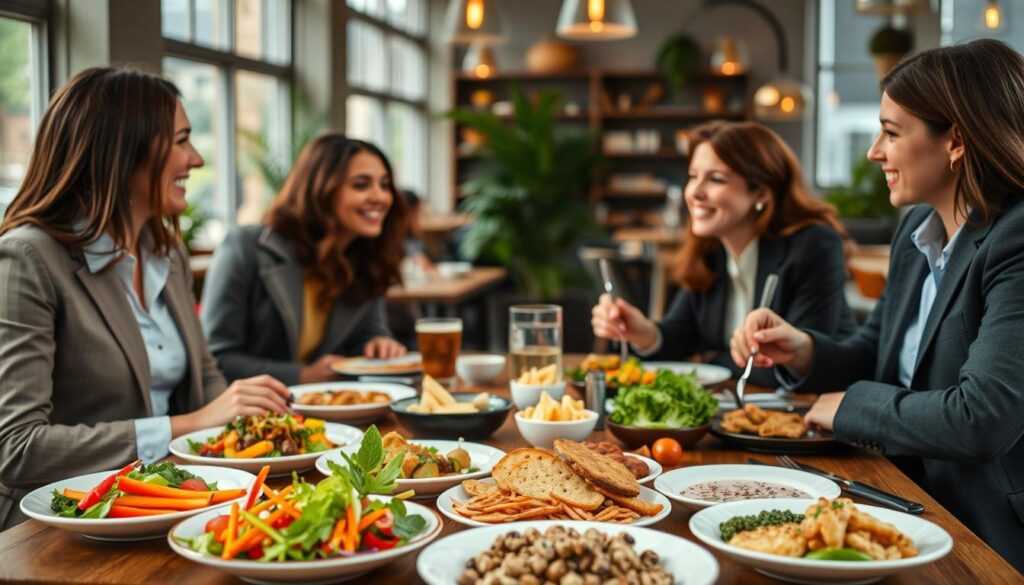
Profiles that list clear eating habits cut straight to practical compatibility. Short labels like “vegan,” “gluten-free,” or “halal” help people avoid mismatches over restaurants, home cooking, and weeknight meals.
When users note diet preferences, it saves time and reduces awkward choices before the first date. Daily meals often reflect deeper values — ethics, religion, or health — so early alignment matters for partners who plan shared routines.
- Clear profile tags give a fast shortcut to compatibility and fewer surprises at dinner.
- Use concise notes — for example, “plant-based for animal welfare” or “DASH-minded for heart health.”
- State hard boundaries (celiac cross-contact, halal, kosher rules) to save time and prevent awkward venue picks.
- Treat profiles as starters; follow-up questions refine day-to-day expectations and cooking habits.
- Simple conversation prompts: ask about favorite restaurants, pantry staples, or easy home-cooking dishes.
- Remember that even similar diets vary — clarify “always” versus “often” to align plans.
Food is one dimension of match quality. In online dating today, clear eating notes help users and partners focus on shared life goals and smoother first meetings.
The U.S. context: availability, labeling, and local dining shape first dates
Where you live shapes which meals feel safe, easy, or romantic on a first meet-up.
Regional access to celiac-safe bakeries, halal or kosher kitchens, vegan cafés, and low-sodium options affects where a first date happens and what menus look like.
U.S. nutrition and allergen labels help planning, but standards vary by venue. Call ahead for medical needs and ask about cross-contact policies when you need strict precautions.

- Start with cafés or restaurants that post allergen charts and train staff to reduce risk on the day.
- Use an app’s location tools to find neighborhoods with specialty grocers or diverse menus for a shared cook-at-home plan.
- Keep a dry or alcohol-free venue in mind if faith-based rules matter to either person.
- Pack backup spots. Menus change and labels sometimes surprise — flexibility saves time and stress.
Communicate city-specific constraints early. It shows consideration and balances discovery with safety, especially for people managing clinical diets or firm food rules.
How we evaluated platforms for dietary lifestyles
We prioritized platforms that make it easy to signal medical restrictions and everyday food choices. Each entry was judged on how clearly profiles show dietary labels and restaurant notes so planning takes less time.
Filters and tags: diets, ingredients, restaurants
We favored robust filters for diet types, ingredient exclusions, and venue preferences. Good filters let users pin restaurants, save searches, and avoid menu surprises.
Community size, safety, and verification
Large communities help match rates, but safety features often decide the winner. Platforms with ID checks, reporting, and active moderation ranked higher for protecting clinical needs.
Evidence-based tags and medical distinctions
Apps scored better when they included evidence-based tags like DASH or Mediterranean and when they separated clinical conditions (celiac) from lifestyle choices.
Usability and education for clinical needs
We checked how easy it is to set diet fields, update profiles, and answer clarifying questions. Top platforms include brief explanations of terms and prompts to state hard boundaries.
- Clear filters and restaurant notes streamline planning.
- Questions that capture “always” vs. “often” prevent misunderstandings.
- Reject platforms pushing extreme, unevidenced plans.
Diet-Specific Dating Apps
Choosing a platform that highlights kitchen habits makes first dates smoother. Good tools let people state medical needs, ethical choices, and faith-based rules without stigma.
Tag-based filters let you search daily routines and cooking styles. Combine tags like “dairy-free,” “low-sodium,” or “no shellfish” to narrow results and find matches who shop and cook alike.
Use profile fields to clarify boundaries — for example, “no cross-contact for celiac.” Frequency indicators (always vs. often) reduce misinterpretation and set expectations early.
- Save searches that yield strong matches and pin trusted venues for future dates.
- Values-forward profiles help users connect over sourcing, prep rules, and sustainability.
- Remember tags can mean different things to different people; follow up with short, respectful messages to refine alignment.
Quick feature comparison
| Feature | What it shows | Why it helps | Tip |
|---|---|---|---|
| Tag filters | Ingredient and diet labels | Find compatible profiles fast | Combine tags for precision |
| Frequency indicator | Always / Often options | Signals flexibility | Be honest to avoid surprises |
| Saved searches & pins | Saved queries and venues | Saves planning time | Pin celiac-safe or faith-friendly spots |
Best apps for plant-based preferences (vegan, vegetarian, pescetarian)
Showing what you cook and buy helps people with similar eating habits spot each other fast.
OkCupid stands out for deep prompts that surface plant-forward compatibility. Tinder offers scale to discover veg-forward matches. SoSyncd (MBTI) and Iris (AI) help align attraction cues and shared interests. Fitafy connects fitness-minded people who also set dietary tags.
Smart profile tags and photo ideas
Use clear tags: vegan, vegetarian, pescetarian, lacto-ovo, ovo, or reducetarian. Call out strict exclusions—no eggs, no dairy, no honey—so menu surprises fade.
List staple proteins like tofu, tempeh, and legumes. Note favorite grains and produce to show pantry habits.
Photo ideas: farmer’s market hauls, colorful meal-prep bowls, or a candid at a plant-forward café.
First-date venues and community events
Pick veg-friendly cafés, mezze spots, or cooking classes. Local plant-based festivals and community supper clubs help communities meet in low-pressure ways.
| Platform | Strength | How it surfaces plant interests | Quick tip |
|---|---|---|---|
| OkCupid | Depth | Detailed prompts & behavior signals | Answer diet questions honestly |
| Tinder | Scale | Wide user base, quick discovery | Use precise diet filters |
| SoSyncd / Iris | Personality & AI | MBTI and AI cues for alignment | Try match-based prompts |
| Fitafy | Fitness + diet | Activity integrations and dietary tags | List meal + workout routines |
Gluten-free and celiac-conscious dating made safer
When gluten matters for health, a clear profile line can turn a risky meal into a safe, simple meetup.
Why it matters: A medically required gluten-free diet (for celiac disease) is not the same as a preference. State this in your profile so people know the stakes and can plan accordingly.
Clear labeling in profiles: medical vs. preference
Use a short, direct profile line such as: “gluten-free for celiac—no cross-contact.” This communicates needs and preserves safety without long explanations.
Recommended apps and filters: ingredient notes, cross-contact alerts
Choose platforms that let you add gluten tags and a short note about cross-contact. Use filters to surface matches who list similar health needs.
Planning celiac-safe venues and low‑pressure dates
- Avoid wheat, barley, and rye; watch for hidden sources like sauces, soy sauce, and some seasonings.
- Safe alternatives: certified gluten-free oats, rice, corn, and clearly labeled GF breads and crackers.
- Name trusted products or bakeries (local certified GF bakeries work well) in your profile or messages to help plan.
- Call venues ahead to ask about shared fryers, prep surfaces, and whether staff follow celiac-safe protocols.
- Low-pressure date ideas: a GF-friendly café, a bakery with clear labeling, or a walk with a planned safe snack stop.
Health and safety come first. People who respect clear profiles will appreciate the honesty and help make a relaxed, safe date possible.
Keto, low carb, and high fat communities
When sugar is limited and grains are avoided, menus and plans need a clearer signal up front.
Finding matches with low sugar, grain-light habits
Use concise profile lines to show sugar limits and grain avoidance. That helps surface like-minded matches and cuts planning time.
“Focus bios on nutrient quality and sustainable habits rather than just macros.”
Best platforms and tags to surface compatible menus
Choose platforms with detailed diet tags and ingredient notes so you can flag favored proteins and dairy swaps. Add staple foods like olive oil, eggs, leafy greens, seafood, and chosen meat cuts to set expectations.
Venue ideas and bio cues that prevent awkwardness
Be clear about alcohol preferences (for example, preferring dry wine) to avoid mismatched venues on a first date.
- First-date ideas: bunless burgers, steakhouse or seafood spots, or a coffee/dark chocolate tasting for a low-sugar option.
- Note cooking styles — grilling, roasting, sautéing — so matches can imagine shared meals.
- Save go-to low-carb venues in the app for faster planning and fewer surprises.
Some studies show short-term weight changes on low carb, so frame your bio around long-term health and realistic goals. Keep the tone welcoming to respect different carb thresholds and include other interests beyond macros to keep conversation flowing.
Paleo-forward matches: whole foods, simple prep
If your routine favors whole proteins and roasted vegetables, it helps to state that up front in your profile.
Paleo emphasizes meat, fish, eggs, vegetables, fruits, nuts, and seeds. It excludes grains, legumes, dairy, and refined sugar. Short, direct lines in your profile set clear boundaries and save time when planning a date.
Clear boundaries on grains, legumes, and dairy
Use a single sentence to note strict exclusions like “no grains, legumes, or dairy” and add any gray areas. For example, state if you occasionally accept white rice or certain oils.
Apps and settings that highlight paleo staples
Flag pantry favorites—bone broth, spices, nut butters, simple sauces—to show everyday habits. Mention favorite cuts and fish styles (e.g., flank steak, salmon fillets) so potential matches can picture shared meals.
“Concise boundaries in a profile prevent misaligned reservations and make planning easier.”
Suggest first-date venues that match the approach: rotisserie chicken, clean barbecue sides, or seafood houses with plain preparations. For home dates, propose co-creating menus: roasted vegetables, salads, and simple proteins.
- Save paleo-friendly restaurants inside the app for quick planning.
- Clarify occasional exceptions to avoid surprises with matches.
- Be flexible in social settings while protecting core exclusions for health.
DASH-minded and heart-healthy daters
A DASH-minded profile line can turn menu hunting into a shared, health-focused experience.
Why a low-sodium signal helps: A simple DASH tag tells a potential partner you prioritize vegetables, fruits, whole grains, lean proteins, and low-fat dairy. It flags limits on sodium, added sugar, and saturated fat.
Practical swaps and home cues
At restaurants, ask for sauces on the side, choose grilled fish, steamed vegetables, or salad-centric cafés. Pick fruit-forward desserts or yogurt parfaits to limit added sugar.
At home, use herbs, citrus, and spice blends instead of salt. List go-to whole grains, lean proteins, and dairy choices in your bio so others see your grocery routine.
“Small menu notes make a big difference—try sharing a favorite low-sodium spot before meeting.”
- Save low-sodium-friendly venues and share menu screenshots in-app.
- Send a quick message to confirm salt-sensitive items ahead of a date.
- Be clear if you or a partner have diagnosed hypertension so plans are thoughtful and safe.
Frame notes positively: emphasize supportive goals and tasty swaps rather than strict rules. Use clear tags in apps to guide planning and set friendly expectations.
Mediterranean and flexitarian lifestyles
A Mediterranean-style routine signals a love of simple ingredients and communal plates.
This way of eating favors plants, whole grains, legumes, nuts, seeds, and olive oil, with moderate fish or poultry and limited red meat. Flexitarian people mix occasional animal proteins with a plant-first base, which eases shared meal planning.
Olive oil, produce, and seafood cues that match routines
Use profile lines like “grilled salmon, grain bowls, mezze lover” to show routine preferences quickly. These phrases tell a potential partner what to expect and help matches find common ground.
Evidence-backed benefits and relaxed dining ideas
Research links this pattern with lower risk of heart disease, stroke, and diabetes, plus better longevity and cognition. That appeals to people focused on long-term health goals.
| Staples | Date ideas | Pairing perks |
|---|---|---|
| Olive oil, canned fish, whole grains | Tapas, mezze, seafood, farmers market picnic | Social plates, easy sharing, low planning stress |
| Olives, hummus, tahini, legumes | Coastal restaurants, mezze nights, market strolls | Supports flexitarian splits and shared cooking |
Try cooking together—sheet‑pan fish, roasted vegetables, herbed grains—to build connection around shared values and good ingredients. This way of living fits many people and works well for relationship-building activities.
Faith-based dietary choices: kosher, halal-inspired, Jain, Hindu, Buddhist
Religious dietary rules guide everyday meals and deserve clear notes in profiles. Honest lines save confusion and show respect for a partner’s observance and household rules.
Respectful filters for meat, dairy, eggs, and prep rules
Kosher follows kashrut: meat and dairy are separate and certified supervision matters. Halal excludes pork and often requires ritual slaughter. Jain practice avoids root vegetables and leans lacto-vegetarian or vegan. Many Hindus avoid beef; some Buddhists choose vegetarian paths.
Venue selection, cookware considerations, and alcohol questions
Ask about separate cookware or supervision before cooking at home. Pick labeled venues and staff who know kosher-style or halal-friendly requests. Discuss alcohol and hidden items like gelatin, lard, or animal rennet.
“Clear, kind profile notes about observance simplify planning and show consideration.”
| Faith | Key rule | Date tip |
|---|---|---|
| Kosher | Meat/dairy separation; certification | Choose certified venues; mention supervision |
| Halal | No pork; ritual slaughter often required | Ask about protein sources; select halal-friendly spots |
| Jain/Hindu/Buddhist | Root avoidance, beef avoidance, or vegetarianism | Pick veg-forward menus and alcohol-free options |
Sample line for a profile: “kosher-minded, happy to share traditions”. Save vetted venues in the app and share menu screenshots to confirm suitability. Gentle, curious questions build trust in community and help keep everyone safe and comfortable.
Dairy-free, lactose-free, and casein-free dating
Some people avoid dairy sugar, others avoid milk protein — saying which matters more than a simple “no dairy.”
In your profile be explicit: write “lactose-free” if you react to milk sugar, “casein-free” if you avoid milk protein, or “dairy-free” for both. This prevents confusion and keeps first-date planning simple.
Writing precise milk restrictions in profiles
Use one short sentence: for example, “lactose-intolerant — can’t have fresh milk or soft cheeses.” Add a note about severity if needed.
App filters, hidden-ingredient checks, and easy swaps
Ask venues about sauces, marinades, baked goods, and some cooking oils — these often hide dairy. Call ahead or check allergen menus.
“Clear wording saves time and shows respect for health and personal choices.”
- Everyday swaps: almond, oat, or soy milks; dairy-free yogurts and plant cheeses.
- Safe first-date menus: roasted vegetables, grilled proteins, dairy-free dips.
- Save trusted cafés in the app and carry a backup snack when trying a new place.
| Need | Profile line | Quick action |
|---|---|---|
| Lactose-free | “lactose-free — no fresh milk” | Pick lactose-free labeled desserts |
| Casein-free | “casein-free — avoid milk protein” | Ask about cheese in sauces |
| Dairy-free | “dairy-free — all milk products” | Call restaurant; check allergen chart |
Low‑FODMAP and elimination-style preferences
Elimination phases help people pinpoint triggers, so a short, clear profile line sets expectations before meeting. Use one brief sentence to show phase and limits — for example, “low‑FODMAP, in reintro phase” or “elimination: avoid garlic/onion for now.”
Explain the elimination and reintroduction approach in plain terms so matches understand changing boundaries without sharing medical history.
Concise bio notes and custom exclusions
Choose platforms that allow custom exclusions and roomy note fields. Put the phase, top triggers, and one planning cue in your bio so others can respond with practical ideas.
Safer first dates: build‑your‑own bowls and allergen charts
- Prefer build‑your‑own bowl spots or salad bars where you control ingredients.
- Pick restaurants that publish allergen charts and call ahead when in doubt.
- Schedule earlier meals; timing can reduce symptom risk for some people.
- Share grocery lists or meal‑prep photos to normalize routine management.
- Keep a small safe snack and track reactions privately; update your profile as triggers clarify.
“Clear, respectful planning avoids pressure and lowers the chance of symptoms during a date.”
Work with a dietitian for guidance, but keep profile notes informational rather than medical. A concise, honest line protects your health and makes the eating experience easier for both people.
Standout niche platform: Fitafy for fitness and dietary filters
Fitafy centers fitness-minded singles who want food and movement to line up with their romantic lives.
This dating app is built as a platform for people who track workouts and care about nutrition. Profiles include detailed dietary filters so users find matches who share eating habits and training styles.
Safety is a focus. Fitafy uses selfie-based verification and a blue tick to reduce catfishing and protect users. That verification adds a layer of trust when planning in‑person meetups.
Activity integrations and community fit
Fitafy links with Apple Watch, Fitbit, Strava, Google Health, and Apple Health. Activity snapshots show recent runs, class frequency, and goal progress. These signals make living habits visible and cut down guesswork.
The app fosters a respectful, wellness-forward community. Millions of swipes and hundreds of thousands of matches point to strong growth and active connections among like-minded users.
- Use dietary tags and activity badges to speed discovery and save time.
- Share favorite workouts and short bios that tie fitness to food routines.
- Save preferred healthy venues in the platform to streamline date planning.
- Pick shared activities—walks, classes, or market runs—as low-pressure first dates.
Fitafy works well for people who want love that matches lifestyle. It narrows the pool so users meet others with similar goals, routines, and safety expectations.
Mainstream apps with strong dietary discovery
Wide networks can still surface food-aligned matches if you use profile fields and prompts well. Mainstream platforms combine scale, filters, and behavioral questions to move past single-word labels and toward practical match signals.
OkCupid: deep questions and lifestyle matching
OkCupid’s long questionnaires track habits and behavior. Its questions let users flag grocery routines, meal frequency, and strict medical needs so matches reflect daily life, not guesswork.
Bumble: first-move dynamic and progressive community
Bumble’s women-first design attracts many progressive users who welcome values-forward food talk. Short prompts and curated badges make it easy to state preferences and venue habits upfront.
Grindr, Tinder, SoSyncd, and Iris: scale, MBTI, and AI
Tinder gives reach; Grindr serves queer and MSM communities with quick location-based connections. SoSyncd adds MBTI cues and Iris uses AI to refine attraction signals. Use filters, fill profile fields, and add venue notes to improve match relevance.
“Complete your profile with clear dietary lines, venue preferences, or cooking interests to guide better connections.”
| Platform | Strength | Practical tip |
|---|---|---|
| OkCupid | Deep questions | Answer diet prompts honestly |
| Bumble | Progressive community | Add values-forward badges |
| Tinder / Grindr | Scale & local reach | Use smart filters and pinned venues |
| SoSyncd / Iris | Personality & AI | Leverage MBTI/AI cues plus diet tags |
Test multiple platforms, save go-to restaurants, and use in‑app safety tools and verification before meeting. Small profile edits often yield higher-quality matches and smoother first dates.
Safety and verification: tools that protect users and support clinical needs
Verification features and in‑app alerts help people manage medical food needs and reduce risk before a first meet. Use available ID checks, selfie verification, and reporting tools to make profiles more trustworthy.
ID checks, reporting, and emergency features
Enable selfie verification or document checks where offered. Fitafy’s facial recognition and blue tick reduce impersonation, and many platforms let you add a verified badge to your profile.
Know how to report and block quickly. Reporting tools keep communities safer and protect those with strict needs like celiac cross‑contact or severe allergies.
Some services include emergency features. Tinder, for example, offers an alert option tied to local emergency contacts. Set a trusted contact or use in‑app safety timers for early meetings.
| Feature | What it does | Why it matters |
|---|---|---|
| Selfie / ID verification | Confirms identity | Reduces catfishing and impersonation |
| Reporting & blocking | Immediate removal of abusive contacts | Keeps conversations safe for clinical needs |
| Emergency alerts | Quick access to help or location sharing | Extra protection for in‑person meetups |
- Share key dietary stakes early in chat (for example: “gluten-free—no cross-contact”) so plans respect health limits.
- Meet first in public venues with clear allergen labeling and trained staff when possible.
- Keep a shortlist of vetted venues and safe menu items as part of your personal plan.
- Review platform harassment and moderation policies before subscribing or sharing sensitive info.
- Pause or delay in‑person meetings if messages or behavior raise red flags; good matches will respect safety.
Health and safety are nonnegotiable; use verification and emergency tools to protect yourself and ensure respectful planning.
Profile optimization to showcase your dietary lifestyle
A short, food-focused bio helps someone picture shared weeknight meals.
Keyword-rich, food-forward bios
Write one crisp line that names protein and fiber sources. For example: “Protein-forward: eggs, beans, salmon; big on fiber, whole grains, vegetables, and fruit.”
List pantry anchors so your routine is clear. Olive oil. Beans. Eggs. Lean meat. Whole grains.
- Keep bios concise and food-forward: mention protein, fiber, whole grains, vegetables, and fruits.
- Use a consistent tag set across platforms so matches recognize your lifestyle fast.
- Add 1–2 date-friendly venues to ease planning for matches.
Photos, prompts, and pantry staples that signal real life
Post clear photos of meal-prep, market runs, or a simple home-cooked plate. Good lighting and honest scenes matter more than studio shots.
Use prompts to spark easy conversation: favorite comfort food, go-to grocery haul, or cooking hobbies. Include one signature dish or a light joke to be memorable.
- Show pantry staples: olive oil, beans, eggs, lean meat, oats, canned tomatoes.
- Balance diet notes with other interests to show dimension and compatibility beyond the kitchen.
- Update seasonal staples—summer produce or winter stews—to keep profiles fresh.
“Small, honest details about food make profiles feel lived-in and invite better conversation.”
Buyer’s guide: choosing the right app for your time, needs, and goals
Picking a platform that fits your schedule and health goals saves time and reduces frustration. Consider how much effort you want to invest, whether verification matters, and how city-specific the user base is before you subscribe.
Free vs. premium and typical costs
Many dating apps let users browse for free but limit messaging and advanced filters. Premium tiers commonly range from about $10–$40 per month, with lower rates for longer commitments.
Paid features often include boosts or featured placement to speed discovery. Decide if faster visibility is worth the cost based on how much time you have to find a partner.
Filters vs. breadth and city-specific communities
Balance powerful filters (diet tags, ingredient notes, verification) with community size. A specialized platform with strong verification can beat a large, unfocused platform in smaller cities.
“Test multiple platforms briefly to see where you actually find quality matches in your area.”
- Read question depth: platforms with richer lifestyle questions give more nuanced signals.
- Prioritize safety: selfie/ID verification and emergency features matter for clinical needs.
- Use saved searches and pinned venues to streamline planning and repeatable dates.
- Try apps in short windows to compare where you find better matches for your goals.
- Revisit settings quarterly as your time, city, or relationship goals change.
Tip: If health or strict food rules matter, pick a platform that enforces verification and offers clear reporting tools. That combination protects users and improves the chance to find a compatible match.
Conclusion
Aligning what you eat with who you meet makes shared meals easier and first dates less awkward.
Use clear, specific lines in your profile to separate medical needs from preferences. Choose a dating app that offers detailed diet tags, verification, and venue notes so you find compatible matches fast.
Keep profiles welcoming. Add authentic photos that show real life and simple pantry or meal shots. Let your tone reflect your values and daily habits without overwhelming the bio.
Balance food talk with broader interests to keep chemistry fresh. Women-first dynamics and inclusive communities often support respectful, values-led connections.
Use safety tools, test local venues, and tweak filters as you learn. This practical approach builds stronger connections, a clearer path to love, and a better way to a lasting relationship.