Anúncios
Can matching over a favorite pastime really change how you date? This guide shows why choosing apps that spotlight what you love can turn awkward small talk into real plans. By aligning lifestyle rhythms, communication styles, and preferred activities, you get dates that feel natural and fun.
Below, you’ll find a clear list of popular categories people put on profiles—sports, creative art, cooking, outdoor adventure, games, and self-care. Each category signals skills and personality traits, like teamwork from team sports or creativity from painting and writing.
Anúncios
We’ll give practical examples you can add to prompts, photo and video galleries, and profile projects — from gardening and knitting to learning a musical instrument or shooting photos on a trail. Use these tips to attract people who want to share time doing the same things, and to move matches from app chats into local community meetups.
Anúncios
Why matching on Hobbies and Interests leads to better dates
When two people like the same activities, their first meetup already has a natural script. Shared pursuits reveal values, schedules, and the way each person prefers to spend free time. That shortcut often makes a first date feel familiar instead of an interview.

A Nature Medicine study links hobby engagement in older adults with fewer depressive symptoms and higher life satisfaction. Flow research by Mihaly Csikszentmihalyi supports this:
“Flow is the state in which people are so involved in an activity that nothing else seems to matter.”
Practical benefits are clear. Shared activities reduce anxiety and boost relaxation, so both people show up calmer. Specific interests also signal practical skills—team games hint at cooperation, while hiking suggests stamina—so expectations match reality.
- Dates get built‑in structure: cook, walk, or play a quick game.
- More conversation touchpoints come from gear, events, and local community scenes.
- People who keep a hobby tend to balance work and life, a sign of relationship readiness.
In short, the research and a broad list of pastime categories show that matching on activities creates better chemistry, clearer expectations, and more satisfying dating experiences.
How to pick the right interest‑based dating app
Choose platforms that surface real activities and make your goals clear. Start by listing what you want: casual meetups, a steady partner, or someone to learn new skills with. That clarity guides which features matter most.
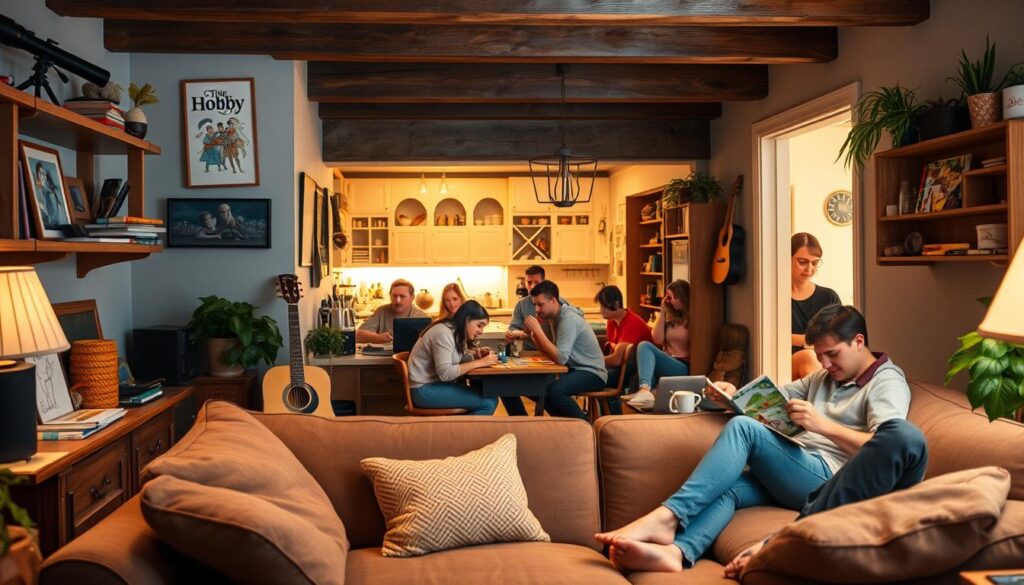
Filters, prompts, and communities that surface your favorite activities
Pick apps with strong filters, detailed prompts, and tag lists so the algorithm shows people who do the same things. Look for prompts that let you display skills and milestones, like learning new language goals or recent projects.
Prioritize platforms with active community features—local groups, event calendars, or integrated clubs. These turn profile matches into real meetups and cut planning time.
Time, budget, and personality fit: solo vs. social hobby matchups
Match app features to your available time, budget, and job schedule. If a hobby needs gear or fees, choose apps that indicate frequency and commitment level.
Consider personality fit. Introverted people may favor solo or small‑group activities such as reading circles or language practice. Extroverts often prefer team events or class nights. Try a couple of apps for a few weeks, then update prompts and photos as your work and free time shift.
Athletic and fitness activities to match on
Choosing athletic activities to highlight on your profile helps matches picture real meetups. List the ways you train and the kinds of outings you enjoy. That makes planning simple and reduces guesswork.
Outdoor options: Use tags like running, hiking, or rucking to find partners for early trails or weekend 5Ks. Add a short example—”scenic 3‑mile loop”—so someone can suggest a meetup confidently.
Mind‑body classes and balance
Yoga, Pilates, barre, and tai chi attract people who value flexibility and calm. Suggest a beginner session then grab smoothies to keep pressure low. Note your preferred form of training, such as “Pilates 2x/week.”
Team play and high‑energy options
Pickleball, soccer, and volleyball add built‑in banter and teamwork. Martial arts, kickboxing, or weight lifting show discipline; try a trial class and debrief over coffee.
| Activity | Good for | First‑date idea |
|---|---|---|
| Running / Rucking | Endurance, outdoors | 3‑mile loop or community 5K |
| Yoga / Pilates | Flexibility, calm | Beginner class + smoothies |
| Pickleball / Volleyball | Teamwork, banter | Public court play or league night |
| Kickboxing / Weight lifting | Grit, strength | Trial class + coffee |
- Mention safety details (surface, gear) so both people have fun.
- Offer short options when time is tight, like a 30‑minute walk.
- Use inclusive language—”open to all levels”—to welcome curious beginners.
Creative and crafting hobbies that spark chemistry
Creative pastimes often turn awkward first dates into hands‑on conversations. Showing a real project gives matches an immediate topic and a reason to meet.
Painting, drawing, sketching, and watercolors
Showcase painting or watercolors in your gallery to highlight patience and artful focus. Note a favorite medium or class so someone can ask about your technique.
Knitting, crocheting, embroidery, and sewing
Fiber work like knitting signals steady hands and attention to detail. Suggest a cozy stitch‑and‑chat at a café for a low‑pressure first meetup.
Pottery, candle making, jewelry making, and origami
Tactile projects make playful dates. A studio wheel‑throwing session or a candle workshop leaves both people with a keepsake.
Music: playing a musical instrument, singing, and music production
If you play a musical instrument or sing, add a short clip or a still of your setup. That shows dedication and makes planning a live‑music night simple.
Photography, photo editing, and video editing
Photography paired with light video or photo editing invites scenic walk dates. Try a golden‑hour stroll to swap shots and compare edits over coffee.
- Call out favorite tools or media like “35mm film,” “Procreate,” or “wheel‑throwing.”
- Add one active project to show momentum and invite specific questions.
- Offer beginner‑friendly classes so matches can join without prior skills.
Intellectual interests for bookish and curious minds
If your ideal date centers on thoughtful conversation, use profile tags that show what you read and study.
Reading, book clubs, libraries, and museums
Tag reading, book clubs, libraries, and museums to attract fellow learners. Share a recent book or exhibit to make it simple for a match to suggest a themed date.
Podcasts, documentaries, and blogging
Mention favorite podcasts or documentaries to reveal curiosity lanes. A short note about a preferred show helps the algorithm pair similar minds.
Learning a new language and taking classes or workshops
Listing language study or workshops signals growth mindset. Propose a language exchange coffee or a museum tour as a gentle first meeting.
| Activity | Why it works | Easy first date |
|---|---|---|
| Book club | Shared themes to discuss | Gallery visit + coffee |
| Podcast swap | Shows curiosity | Listen then meet to debate |
| Language class | Shows learning pace | Exchange practice over tea |
Note any research or classes you’re taking to set expectations. Add one photo of a current book or a museum snapshot to anchor your writing and skills visually.
Food and drink lovers’ matches
For food-forward daters, taste and technique often do more work than small talk.
List cooking, baking, or grilling on your profile and add a go‑to recipe project you love to make. A short note like “sourdough experiments” or “smash‑burger perfectionist” gives someone a simple way to suggest a market stroll or a casual cook‑along.
Cooking, baking, grilling, and recipe projects
Mention one favorite technique to show your current skills level. Use prompts such as learning laminated doughs or meal-prep for two to invite tips swapping. Keep first meetups low stress: a shared dish or farmers’ market nosh works well.
Wine tasting, specialty beers, and crafting cocktails
If you enjoy tastings, name one region or style so a match can pick a venue. Flight samplers let people compare notes without pressure and make the date into a short, tasty experience.
Hosting dinner parties and food media exploration
Hosting signals community building. Propose a joint menu-planning coffee session as a fun prelude to a later group hang. Note favorite cookbooks or shows to open deeper conversations about travel, culture, and tradition.
- Flag dietary needs up front for clear logistics.
- Add one kitchen photo—mise en place or a finished plate—to help the app match culinary companions.
- Respect moderation with alcohol and keep the focus on shared food discovery.
Outdoor and nature‑forward interests
Outdoor outings make it simple to turn a match into a shared experience without overplanning.
Gardening tags and foraging notes attract eco-minded people. Suggest a community gardening volunteer hour or a plant‑shop stroll for a relaxed first meetup.
Hiking, climbing, kayaking, and horseback riding
Scale these activities by time and difficulty. Pick a short beginner route, mention rentals, and name a nearby park to lower barriers.
Birdwatching, star gazing, plane spotting
Quiet observation activities offer natural conversation and easy comfort. Bring binoculars or a blanket and plan a golden‑hour stop for simple connection and photography tips.
Seasonal fun: skiing, snowboarding, sledding
Call out your level and preferred terrain before a winter plan. Offer a short lesson or a low‑stakes sled run as a playful way to meet.
- Note safety: check trail conditions, weather, and gear; share a backup plan.
- Choose well‑lit, public spots and keep routes short to promote comfort.
- Join local beginner days to expand your shared world without pressure.
Games, puzzles, and geek culture
Shared play—whether at a café table or on a couch—makes an easy first step toward real connection.
Tag specific titles like Eurogames, co‑ops, or social deduction so a match knows the expected time and complexity. Many cities host board‑game cafés and casual leagues that make planning effortless.
Board games, chess clubs, and tabletop role‑playing groups
Join a chess club or a beginner tabletop session to build teamwork fast. Clubs create a ready community where skills and roles show up naturally during play.
Video games, card games, darts, and pool
Pick cooperative video titles for a relaxed date that encourages talk. Card games, darts, and pool work well at public venues and keep the vibe light.
Crosswords, sudoku, and jigsaw puzzles
Quiet puzzles fit a cozy café meet—work together on a crossword or a 500‑piece jigsaw. These activities invite focused conversation and gentle collaboration.
- Share preferred play length (30–60 minutes) and style (strategy vs. party) in your profile.
- Post a candid café or shelfie photo to boost matching accuracy.
- Respect venue noise and access needs so both people feel comfortable.
- Ask for local recommendations in a prompt to start the first message easily.
| Activity | Best venue | Ideal play time |
|---|---|---|
| Board games / Tabletop RPGs | Board‑game café or hobby shop | 60–120 minutes |
| Video co‑op | Home or casual lounge | 30–90 minutes |
| Puzzles / Crosswords | Quiet café or library corner | 30–60 minutes |
Collecting and DIY projects as personality windows
Collections and maker projects reveal more than taste; they show how someone spends free time and solves problems.
Collectors often pick stamps, coins, vinyl, books, art, houseplants, trading cards, or antiques. These choices signal curiosity and refined taste. A quick record‑store stop or a museum visit makes a natural, low‑pressure first meetup example.
On the DIY side, home improvement, woodworking, 3D printing, and model building show hands‑on problem‑solving skills. A makerspace tour or craft‑store run is an easy way to meet and compare tools without committing to a full project.
Be specific about projects and scope. Say “weekend shelving build” or “miniatures with airbrush” so matches understand your work rhythms and available time.
- Share how you catalog or display items—shelves, binders, or digital lists—so personality comes through.
- Post one in‑progress photo to show creativity without bragging; progress shots invite questions.
- Propose a low‑stakes co‑project (tiny planter build, simple 3D print) as a collaborative second‑date idea.
- Note space, tools, or dust constraints up front and choose public, supervised venues for early meetups.
Rotate seasonal projects to keep your list fresh and give the app new signals. Seek local workshops that welcome beginners; building together is a memorable way to test compatibility while staying safe and practical.
Social clubs, volunteering, and community activities
Joining a local group turns casual dating into a regular, low-pressure routine that reveals character over time.
Running clubs, hiking groups, dance classes, and trivia nights provide predictable meeting points. Add these items to your profile so apps can place you in active local circles. Short, recurring events make follow-ups simple without reinventing plans.
Volunteering and cause-based meetups
Cause-driven meetups pair values with action. Look for food banks, community gardens, or education programs where simple roles—hosting, organizing, or participating—let your skills show.
- Join running or hiking groups, dance nights, or trivia to meet people in motion.
- Mention the role you like—organizer, volunteer lead, or participant—to show how you contribute.
- Choose public, beginner-friendly events so a match can join without pressure or a special job.
- Be clear about availability so group schedules fit around work and life.
- Rotate between your pursuits and theirs to keep the experience balanced and mutual.
| Group type | Good for | First meet idea |
|---|---|---|
| Running / Hiking | Active socializing | Short loop or club meetup |
| Dance / Workout class | Energy, teamwork | Beginner drop-in session |
| Volunteer crew | Shared values | Community garden shift |
| Trivia / Game night | Conversation starters | Bar or café event |
Self‑care, relaxation, and mindful hobbies
Low‑pressure, mindful activities give early dates a gentle tempo and clearer conversation.
Yoga, meditation, journaling, and poetry
Lead with calm pursuits like yoga or a short meditation to attract people who value presence. Suggest a gentle studio class or a park sit for a relaxed first meetup.
Journaling and poetry show reflective writing practice and curiosity. Swap prompts or attend an open‑mic for a brief, supportive shared moment. Mention when you practice—morning or evening—to show your weekly rhythm.
Coloring, calligraphy, and flower arranging
Coloring and calligraphy are simple art forms that promote relaxation. A quiet café session works well for low stimulation and easy chat.
Flower arranging or pressing adds sensory focus and fast rewards. Many shops run beginner workshops that make for an inviting first activity.
| Activity | Why it works | First meet idea |
|---|---|---|
| Yoga / Breathwork | Presence, fitness | Beginner class or park session |
| Journaling / Poetry | Reflection, writing | Prompt swap + tea |
| Coloring / Calligraphy | Calm creativity | Café mini‑session |
| Flower arranging | Sensory skills | Workshop for two |
Share one small goal like “10 minutes daily breathwork” to show steady practice. Note accessibility: short, beginner‑friendly sessions welcome novices. Mindful activities pair well with higher‑energy pastimes such as martial arts or running to present a fuller picture of life.
United States dating landscape: local scenes and niche communities
From board‑game cafés to community gardening plots, many US cities host tight niche scenes that move matches offline fast.
Major metros offer dense options: climbing gyms, cooking schools, trivia leagues, and running clubs. Libraries, parks departments, indie bookstores, and breweries often publish event lists that make planning simple.
Suburban and smaller cities rely on libraries and community colleges to aggregate clubs for gardening, sports, photography, language swaps, book discussions, and DIY classes.
| Venue | Typical events | First‑meet idea |
|---|---|---|
| Board‑game café | Weekly game nights | Try a two‑hour session |
| Library / Bookshop | Talks, language exchange | Attend a short walk or talk |
| Makerspace / Art center | Woodworking, pottery | Beginner workshop |
- Follow neighborhood social calendars to spot events that match your list of pursuits.
- Prefer public, well‑reviewed venues for first meetups; check transit and access needs.
- Season matters: winter favors indoor games and cooking classes; summer opens photography walks, gardening meetups, pickup sports.
Align choices with a shared goal—skill growth, calm, or broader social circles—to help the date fit into real life.
Conclusion
Profiles that showcase real activities make first dates feel purposeful and simple.
Matching on hobbies helps turn small talk into shared experience. List a hobby, show one or two skills with a photo, and offer a clear first-date example to reduce friction.
Use app filters, prompts, and local groups so matches align with your life. Pick dates that fit your energy: creative sessions for creativity, outdoor walks for calm, music nights for vibe.
Keep a short, rotating list of pursuits as you grow. Small updates—new skill notes, a candid photo, a specific plan—help the algorithm find better fits and make real connection more likely.