
Anúncios
Could a hands-on shift beat a bar or movie for a first meet-up? This question flips routine dating on its head and invites people to try a more meaningful first date.
Across the United States, real programs make this idea easy to try. Think community garden shifts in Brooklyn, “Date Night at the Zoo” in Seattle, sessions at the San Francisco-Marin Food Bank, or PAWS Chicago’s animal-centered meetups. LIFT Chicago also reports couples finding each other through service.
Anúncios
These outings reveal patience, teamwork, and how a partner handles light responsibility. You’ll roll up your sleeves where real work gets done, which sparks authentic conversation faster than a typical night out.
In this guide you’ll find ways to pick a place, examples from real locations, and step-by-step planning tips. If you want a date that feels purposeful and shows character, read on for the answer and practical ways to get started.
Anúncios
What Is Volunteer Dating and Why It’s Trending Now
When people work together on something meaningful, connections form faster than over a movie night.
This approach is simple: a date built around service activities lets two people collaborate on a real task in a community setting. Tasks range from planting seedlings at Brooklyn’s Hattie Carthan Community Garden to assisting with animal enrichment during Woodland Park Zoo’s “Date Night at the Zoo.”
How shared purpose creates faster, deeper connection than a bar or movie
Shared effort reduces performative pressure and shows how a person handles responsibility, humor, and problem solving. In one survey by the Leukemia & Lymphoma Society, more than 80% of participants reported better social lives after volunteering—evidence this way helps people bond.
Authenticity in the age of swipe-right: stepping out of comfort zones
Stepping out of a bar or movie routine gives built-in topics, roles, and small wins. That structure makes conversation flow and reveals true interests and values faster than a standard night out.

| Setting | Typical Interaction | Signals Revealed |
|---|---|---|
| Bar or Movie | Sit, chat, observe | Style, small talk comfort |
| Community Shift | Work together, problem-solve | Teamwork, patience, values |
| Animal or Garden | Hands-on tasks | Care, humor, follow-through |
Why Volunteer on a Date
Choosing a hands-on activity for a first meet-up reveals practical traits quickly. Working side by side shows how a person solves problems, shares tasks, and keeps a light mood under pressure.
Mia and Alex met at the San Francisco-Marin food bank. Sorting donations and packing boxes gave them steady chances for honest conversation. That shared experience led to a lasting relationship.
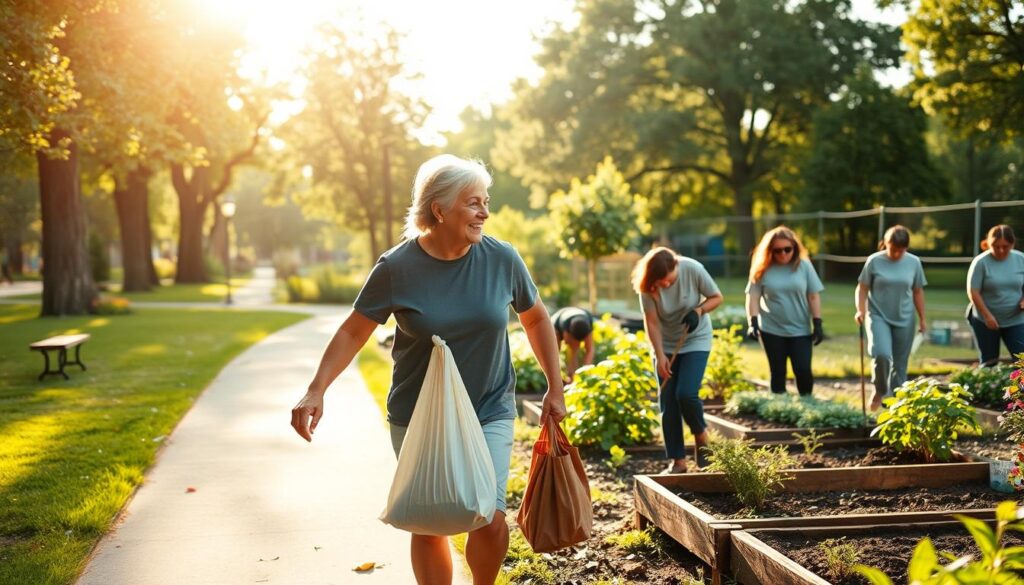
Real benefits backed by stories: from food banks to community gardens
At Brooklyn’s Hattie Carthan Community Garden, shifts include planting, composting, and harvests for local food banks. Coordinator Yonnette Fleming notes these activities beautify the neighborhood and build teamwork.
- Shared tasks reveal collaboration, communication, and follow-through.
- Food bank shifts let people talk while they work toward a clear goal.
- Short, scheduled shifts fit college students and busy professionals.
- Even a small time investment can make a real difference in your community.
| Setting | Typical Tasks | Immediate Benefits | Who Joins |
|---|---|---|---|
| Food Bank | Sorting, packing, labeling | Natural conversation, shared purpose | Neighbors, college students |
| Community Garden | Planting, composting, harvesting | Teamwork, care, visible results | Local volunteers, young professionals |
| Shelter or Outreach | Meal prep, distribution, support | Empathy, steady roles, new connections | All ages, community groups |
“Many groups welcome newcomers for short shifts that still make concrete impact,” said Yonnette Fleming.
The answer often lies in the mix of service and humanity. These settings help you meet new people, expand local networks, and learn meaningful things about a person while doing useful work.
Volunteer Dating
Doing work together creates natural moments that show character faster than casual dates. When two people join a shift, goals and values come into view without scripted conversation. This helps you meet new people whose intent already leans toward contribution.
Intent match: meet new people who share your values and interests
Shared purpose narrows the guesswork. In service settings you find people who care about similar causes, so values appear early. LIFT Chicago’s Ben Reuler notes couples like Vivien and Tommy formed deep bonds through repeated shifts.
From first date to relationship: seeing patience, teamwork, and grace
A hands-on first date gives a clearer sense of a person than time at a bar. Team dynamics reveal how someone listens, adapts, or supports others during small challenges.
- Pick roles that match your interests to stay comfortable and present.
- Alternate lead and support to see different strengths.
- Debrief briefly afterward to note what felt meaningful and decide on next steps.
“Consistent acts of service let patience and grace show up naturally.”
Best Volunteer Dating Apps & Platforms to Try
You can find cause-driven meetups, sign-up slots, and pair-friendly roles on several platforms. Start by scanning local nonprofit calendars and city-run portals for clear time slots and place details. Many list shifts for food banks, community gardens, animal shelters, and park cleanups.
Cause-focused communities
Use platforms that connect people to specific causes. Search by animal care, environmental work, sports events, or food assistance to match interests quickly.
Dating apps with filters and prompts
Some mainstream apps include profile prompts and filters for service priorities. These prompts make it easier for matches to propose a shared activity as the answer to “What should we do?”
Nonprofit hubs, city portals, and college boards
Nonprofit hubs and municipal event pages post recurring roles and pop-up drives. College and neighborhood boards also list low-friction opportunities for those new to a city or short on time.
“Many sites let individuals or pairs sign up easily, with clear instructions and tools provided on arrival.”
| Platform Type | What It Lists | Best For |
|---|---|---|
| City Portals | Shifts, time slots, place directions | Pairs and small teams |
| Nonprofit Calendars | Food banks, gardens, animal events | Cause-specific interests |
| College/Neighborhood Boards | Seasonal events, quick sign-ups | Students and newcomers |
Quick tips: save a shortlist of platforms, pick a 90–120 minute slot, and choose a place with staff support and clear tools. Sports tournaments, charity runs, and animal-focused days often welcome pairs and make meeting new people easy.
Social Activity Ideas for a Feel-Good First Date
Pick an activity that builds teamwork and gives you things to talk about naturally. Below are simple, low-pressure ways to meet and work side by side while getting to know each other.
Community garden day
Dig, plant, and harvest together in a community garden. Tasks like planting rows or harvesting produce create easy conversation and visible results.
Food bank or soup kitchen
Serve meals, chop ingredients, or pack boxes. Each place on the line has simple things to do, so the date flows without pressure.
Park or beach cleanup
Grab gloves and a trash bag for an outdoor cleanup. This eco-friendly way to spend time is great for sunshine, teamwork, and neighborhood pride.
Animal shelter shift
Walk, feed, or socialize pets in short roles. Animal tasks suit pairs who enjoy furry company and want a relaxed setting to chat.
Sports volunteering
Help at youth leagues or local meets. These lively events need a team of helpers and offer upbeat roles with lots of new people around.
- Plan about 90–120 minutes so energy stays high and you can grab coffee next time if things click.
- Bring water, sunscreen, layers, and confirm whether gloves or tools are provided on site.
- Choose roles that expose you to others but keep the focus on your date to balance social time and private conversation.
- Observe how each person approaches tasks and conversation—this shows teamwork, patience, and follow-through.
- Jot down one or two ideas for next time based on what felt fun and meaningful.
| Activity | Typical Tasks | Why it Works | Ideal Time |
|---|---|---|---|
| Community garden | Planting, weeding, harvesting | Built-in conversation and visible progress | 90–120 minutes |
| Food bank/soup kitchen | Chopping, packing, serving | Clear roles reduce awkwardness | 90–120 minutes |
| Park or beach cleanup | Picking up litter, sorting recyclables | Teamwork that benefits the neighborhood | 1–2 hours |
| Animal shelter / sports events | Walking animals; helping at meets | Relaxed, social, lots of new people | Short shifts (60–120 minutes) |
Real Places, Real Stories: U.S. Volunteer Date Examples
Local projects offer simple, structured ways for two people to connect while helping neighbors. Below are real programs across the U.S. that turn shared work into memorable experiences.
Brooklyn’s Hattie Carthan Community Garden: beauty and improvement
At Hattie Carthan, people plant seedlings, turn compost, and harvest produce for food banks. Coordinator Yonnette Fleming calls beautification “a call for improvement,” and the neighborhood sees tangible results.
Seattle’s Woodland Park Zoo: a hands-on animal experience
“Date Night at the Zoo” asks pairs to help with animal enrichment, habitat care, and guest support. The park atmosphere makes tasks social and relaxed.
San Francisco-Marin Food Bank: bonding over hands-on work
Mia and Alex sorted donations on their first shift and later moved in together. Simple tasks like packing boxes create steady chances to talk and connect.
Los Angeles and Chicago examples
At the Downtown Women’s Center in L.A., volunteers prepare and serve meals to women who need support—an opportunity to learn empathy and life lessons. PAWS Chicago’s “Feline Friends” offers calm cat socialization for quieter connections.
LIFT Chicago: teammates turned partners
LIFT Chicago shows how consistent shifts help people become friends and partners. Ben Reuler notes several couples formed through shared service and teamwork.
| Place | Typical Tasks | Setting | Why it Works |
|---|---|---|---|
| Hattie Carthan Community Garden | Planting, composting, harvest | Neighborhood garden | Visible results, teamwork |
| Woodland Park Zoo | Enrichment, exhibits, events | Park, animal-focused | Fun, social, hands-on |
| San Francisco-Marin Food Bank | Sorting, packing, logistics | Warehouse | Clear roles, steady conversation |
| Downtown Women’s Center / PAWS / LIFT | Meal prep; cat social; event shifts | Shelter, shelter side rooms, community hub | Empathy, calm connection, lasting ties |
How to Plan the Perfect Volunteer Date
Start with one clear goal: pick a cause that fits both your interests and energy level. This helps choices feel natural and keeps planning simple.
Pick a cause you both care about
Agree on two or three causes that feel like the right ways to spend shared time. Think animals, environment, hunger relief, or youth sports support.
Check role descriptions early so each person has a clear sense of responsibilities and safety guidelines.
Set a time and place
Choose a time and place that work with both schedules. Confirm whether the role is indoors or outdoors and what things to bring.
Coordinate transport, meeting point, and a backup plan so the other person arrives relaxed.
Etiquette and safety
- Dress for the job: closed-toe shoes for warehouse or kitchen roles; layers for outdoors.
- Arrive on time, introduce yourselves to staff, and follow instructions for safety.
- Use the task to prompt easy conversation and notice how the other person handles small challenges.
- Debrief afterward: share what surprised you and whether the answer is yes to another meet-up.
| Step | What to confirm | Why it helps |
|---|---|---|
| Choose cause | Interests, comfort level | Aligns values and energy |
| Confirm logistics | Time, place, transport | Reduces stress and lateness |
| Read role notes | Attire, tools, safety | Clear expectations and safety |
Key Dates and Events to Put on Your Calendar (present)
Plan your calendar around predictable community rhythms to find easy, meaningful ways to meet. Many organizations set annual windows that create a steady stream of short, shared roles.
National Volunteer Week in the United States: April momentum for opportunities
Mark April on your calendar. National Volunteer Week brings special drives, guest-engagement roles, and charity events that are ideal for pairs. Nonprofits often post limited-time slots for cleanups, sorting shifts, and festival help.
Seasonal cleanups, charity runs, and community events to try next time
Browse spring and fall park and beach cleanup schedules. These events usually list time windows and role descriptions in advance.
- Explore charity runs and festivals for registration, course support, or guest-service roles—short and social.
- Use these events as a way to test causes together, then decide what to try next time based on what you liked.
- Prioritize easy logistics: near transit, confirm parking, and pick a slot that leaves time for coffee afterward.
- Expect roles to fill fast; set reminders and sign up early to secure the best opportunity.
- Staff and experienced volunteers often recommend beginner-friendly stations where you can learn quick and stay engaged.
Treat each event as an answer to “what should we do?” and build a list of future ideas. Choose at least one cleanup each season to keep your shared momentum and connection to local green spaces strong next time.
Conclusion
Picking a community task gives you a straightforward way to learn about someone in action.
Choose one simple idea—garden shift, food bank slot, animal care, or a sports event—and book a 90–120 minute window this month. Programs from Los Angeles’s Downtown Women’s Center to Chicago’s PAWS and LIFT, and spots like Seattle’s Woodland Park Zoo, Brooklyn’s Hattie Carthan garden, and the San Francisco‑Marin Food Bank show how shared work turns first meets into lasting relationships.
This approach reveals values, patience, and partnership more clearly than a night at a bar. Treat the experience as a low‑pressure trial: pick activities that match comfort levels, learn what each person enjoys, and plan next steps if it clicks.
Keep a seasonal list of opportunities, invite a friend or partner, and schedule one small shift now. Small acts of work together can be the spark that makes a meaningful difference in your life and community.