
Anúncios
Have you ever stopped to think if your digital image truly reflects who you really are? In a connected world, first impressions happen in milliseconds through a screen.
Many people underestimate the power of good visual composition. But knowing how to produce authentic images can open doors and create real connections with those who visit your page.
Anúncios
Today, we’ll cover everything from technical preparation to expressing your personality, ensuring that each click tells a unique story.
Preparing the environment and ideal lighting
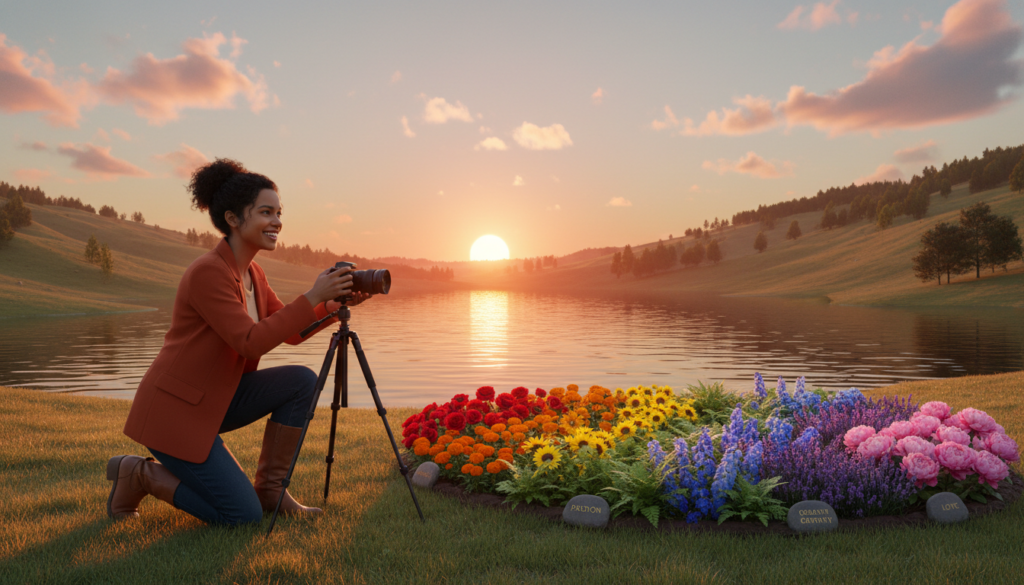
Light is the secret ingredient to transforming any ordinary photo into a professional image. When you understand how light interacts with your face, you achieve much more harmonious and attractive results for your profile.
Anúncios
Preparing the space before the shot avoids rework and ensures that the focus is exactly where it should be: on you.
Taking advantage of natural light for professional results
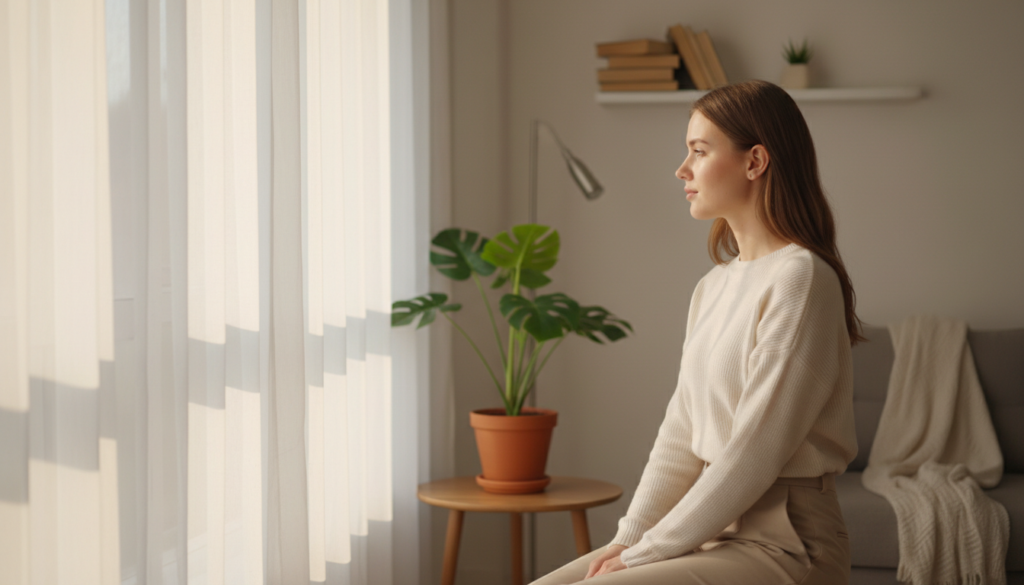
Sunlight is, without a doubt, the best free tool you have at your disposal. To achieve excellent natural lighting for portraits, position yourself facing a window during the day, avoiding direct sunlight which can cause excessive glare.
This technique softens the skin and highlights the eyes, creating a natural glow that greatly enhances your expression.
How to avoid unwanted shadows indoors
Very harsh shadows can hide important details or create a tired look in the image. Therefore, to avoid this problem indoors, try positioning the main light source so that it illuminates your face evenly.
If the light is coming from above, such as from ceiling lamps, it can create deep shadows under the eyes and nose. Try to find frontal or slightly lateral light sources to soften these marks and maintain the clarity of your features.
The use of accessories such as ring lights and reflectors
When natural light is insufficient, some accessories can save your photoshoot. The best lighting for photos in low-light environments usually involves the strategic use of auxiliary equipment.
- Ring lights: Ideal for directly illuminating the face and creating that characteristic glow in the eyes.
- Reflectors: Perfect for softening shadows, reflecting existing light onto dark areas.
- Diffusers: Can be used in conjunction with artificial lights to make the brightness less harsh.
- Tripods: Essential for maintaining stability and ensuring that the lighting is not shaky.
Choosing the Right Equipment for Every Occasion
Many people believe they need expensive professional cameras to achieve studio-quality results, but the reality is quite different today.
Technology has advanced significantly, allowing anyone to achieve professional results with what they already have. The focus should always be on your creativity and mastery of the available tools.
Smartphone versus professional cameras: what really matters?
Smartphone photography has evolved dramatically in recent years, becoming a powerful ally for everyday life.
Even though professional cameras offer more manual control and larger sensors, modern cell phones have intelligent image processors that compensate for these differences.
What really matters is your ability to see the light and compose the scene. With the right device and a little practice, you’ll be ready to capture moments with surprising quality.
Basic camera settings you need to know
To learn how to take perfect photos, you should explore your device’s manual settings. Adjusting small details can completely transform the final result of your image.
Here are some essential points to configure before clicking:
- Focus lock: Keep the main subject in focus by touching the screen.
- Exposure adjustment: Slide your finger to control the brightness of the scene.
- Composition grid: Use the lines to align the horizon and the subject.
- File format: It’s best to save in high resolution to preserve detail.
The Importance of Lens Cleaning for Sharp Photos
A very common mistake that compromises quality is ignoring lens cleaning. Since we carry our cell phones in our pockets or bags, it’s natural for them to accumulate grease and dust throughout the day.
Cleaning the lens with a microfiber cloth before photographing ensures that natural lighting for portraits is captured with complete fidelity, avoiding unwanted blur and guaranteeing that your photos are sharp and bright in any situation.
Mastering Composition Techniques for Eye-Catching Photos on Your Profile
Composition is the secret to transforming ordinary photos into professional images. Photographic composition for beginners allows you to strategically organize visual elements, ensuring a harmonious and attractive final result.
By applying simple concepts of spatial organization, you can guide the eye of those visiting your profile, making all the difference in conveying a more confident and well-groomed image.
The Rule of Thirds Applied to Your Portrait
Knowing how to use the rule of thirds is fundamental for anyone who wants to improve their photos. Imagine your screen is divided by two horizontal and two vertical lines, forming a tic-tac-toe grid.
The goal is to position the points of greatest interest, such as your eyes, at the intersections of these lines, creating a natural balance that makes the image much more pleasing to the eye than a rigidly centered face.
How to Use Guide Lines to Create Depth
Guide lines are elements in the scene that direct the viewer’s eye towards the main subject. These can be paths, fences, walls, or even architectural elements pointing towards you.
Using these lines helps to give a sense of three-dimensionality to the photo.
Here are some ways to apply this concept:
- Use roads or sidewalks to create a line leading to your body.
- Take advantage of natural frames, such as doors or windows, to frame your face.
- Pay attention to horizontal lines in the background to align the horizon and avoid crooked photos.
- Look for diagonals that bring dynamism and movement to the composition.
The Balance Between Subject and Negative Space
Negative space is the empty area around you in a photograph. When used well, it avoids visual clutter and allows the viewer to focus entirely on your expression.
Don’t be afraid to leave empty areas in the framing. This breathing space is essential for creating photos that draw attention to your profile, as it lends an air of sophistication and visual cleanliness to your content.
How to Find Your Best Angle and Pose Naturally
Many people feel nervous when thinking about posing for photos, but it’s simpler than it seems.
The secret to a good portrait lies in the ability to relax your muscles and find angles that enhance your natural silhouette.
Tips for Relaxing Your Face and Avoiding Forced Expressions
The face is the first point of attention in any image. To avoid that stiff look, try loosening your jaw and breathing deeply before the click.
An effective trick is to close your eyes and open them only at the moment of the photo, which helps to bring a more natural glow to your gaze.
Avoid forcing a smile that doesn’t seem genuine. Instead, think of something that brings you genuine joy or simply keep your lips slightly parted, relaxing your facial muscles and conveying a much more approachable and confident image.
Body Positioning to Enhance Your Silhouette
How you position your body defines the harmony of the image. Therefore, avoid facing the camera directly, as this can flatten your silhouette. Try to slightly turn your shoulders to the side and maintain an upright posture, but without rigidity.
When planning the framing, remember how to use the rule of thirds to position your body at one of the intersection points, creating a much more interesting visual balance than centering the subject.
This technique helps guide the viewer’s eye directly to your best features.
The Importance of Eye Contact with the Lens
Direct eye contact with the lens creates an immediate connection with the person on the other side of the screen, conveying confidence and honesty, fundamental elements for a striking profile. By looking directly at the camera, you establish a bridge of silent communication.
If you still feel insecure, practice posing in front of a mirror. Therefore, understanding how to use the rule of thirds while keeping your gaze steady on the lens will make you feel much more comfortable.
Over time, knowing how to pose for photos will become an intuitive and enjoyable process.
Conclusion
Mastering the art of photography goes far beyond simply pressing a button. The success of your profile depends on a balance between technique, creativity, and a generous dose of authenticity.
By applying lighting and composition tips, you avoid common mistakes in profile photos that often alienate valuable connections. Small adjustments to framing or background choice make a huge difference in the final result.
The secret to standing out lies in how to genuinely convey personality in photos. When you show who you really are, your image ceases to be just a static record and becomes an invitation to dialogue.