Anúncios
How safe do you really feel when your profile, photos, and messages can be shared or inferred by others?
Many people use a dating app to meet partners, but LGBTQ+ users face unique risks. Harassment, slurs, unsolicited sexual content, and targeted scams are well documented. Research shows platforms often miss hate speech while over-moderating valid expression.
Anúncios
This short guide focuses on practical steps to protect your information and reduce exposure. You will learn which choices matter early—account setup, device permissions, photo handling, and message security.
Anúncios
Expect trade-offs: verification can block fakes but may link to your real name. Make sure you know where data flows and how third parties may infer sensitive details.
Privacy and safety are ongoing practices. This article centers realistic actions users can take, and notes where platforms should be accountable so the burden does not fall only on individuals.
Why LGBTQIA+ privacy on dating apps matters right now
What once felt private—profile photos and short bios—now feeds a commercial ecosystem that can harm queer people.

The real risks: harassment, sextortion, discrimination, and doxxing
Survey work from Concordia’s DIGS Lab shows frequent harms: sexual harassment, unsolicited sexual content, slurs aimed at trans and non-binary users, and racial fetishization.
Sextortion and coercion are rising, and in some cases online interactions escalate to in-person assault. Screenshots, cross-platform clues, and public posts are common doxxing vectors.
A changing landscape: hostile movements and moderation gaps
Globally, anti-queer movements and weak moderation on major platforms increase exposure. The 2025 Social Media Safety Index found platforms often fail to curb anti-queer content while over-moderating valid expression.
The data economy: tracking, ads, and inferences
Mozilla found many apps share or sell user data for advertising and create inferences like sexual orientation.
Location leaks on some apps enabled pinpointing users in 2024, so review location controls and nearby features closely.
| Risk | How it appears | Impact | Mitigation |
|---|---|---|---|
| Harassment & slurs | Messages, profiles, comments | Emotional harm, exclusion | Block/report, limit visibility |
| Sextortion & coercion | Fake profiles, chats | Blackmail, legal danger | Avoid sharing explicit media, verify people |
| Doxxing & location exposure | Screenshots, metadata, nearby features | Stalking, safety threats | Strip metadata, disable precise location |
Build your plan first: threat modeling for safer LGBTQIA+ online dating
Start by mapping what matters most: the personal details and contacts you cannot afford to expose.
List the core assets you must protect. Include sexuality, gender identity, HIV status, contact lists, and location. Be precise—each item needs a tailored plan.
Who and what to guard against
- Adversaries: harassing ex-partners, scammers, doxxers scraping profiles, and state actors in hostile regions.
- Scenarios: account lockout, impersonation, stalking, or coerced data disclosure.
- Goals: decide if your aim is to chat, share photos, or meet partners in person and set limits accordingly.
Practical steps and context
Calibrate risk by context. Trans and nonbinary people, and racialized users, often face higher targeting and should tighten visibility and discovery defaults.
Use least-exposing channels for first contact. Keep identifying info compartmentalized until trust is established. Plan escalation rules for voice or video chats and backups for account recovery and evidence capture.
If you live where being queer is criminalized, consult local organizations for specific legal and safety guidance. Treat this planning as part of everyday life; update it as risks change.

LGBTQIA+ Dating App Privacy: setting up accounts, profiles, and settings the safe way
Start account setup with small choices that greatly reduce who can link your profile to other online traces.
Create each account with a unique email to prevent cross‑lookup. Consider a disposable address only if you can still recover the account.
Use a secondary phone number — Google Voice or a pay‑as‑you‑go SIM — to keep your main phone out of searches. Avoid “Sign in with” social logins; they often share your name and contacts.
Create with care
Pick a first name or pseudonym that fits your threat model. Keep bios minimal and avoid workplace or school details that expose identity or location.
Photos and metadata
Choose neutral images and plain backgrounds. Strip EXIF data before uploading and never show house numbers, badges, or transit signs that reveal place or routine.
Permissions, discovery, and controls
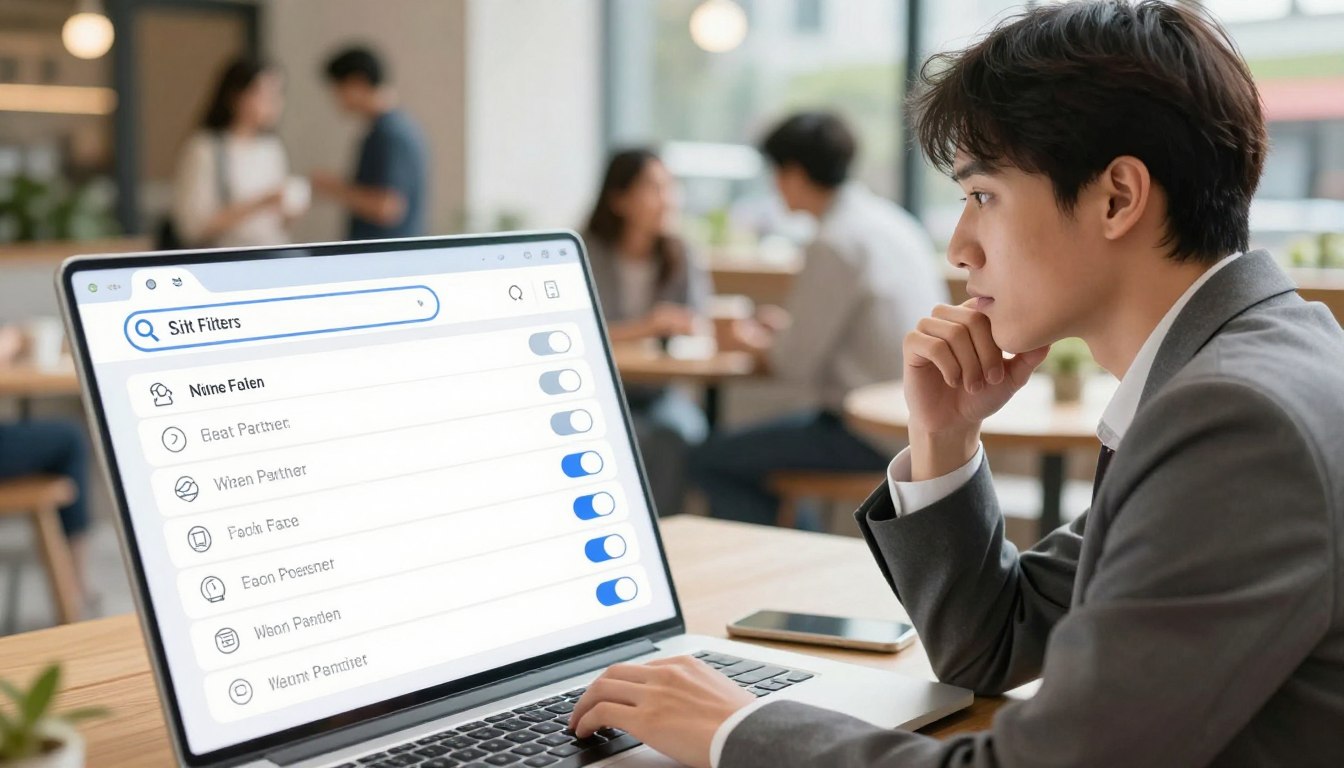
- Deny precise location and restrict photo library access on iOS/Android.
- Turn off contact syncing and disable precise distance or nearby features.
- Use private profiles, limit who can see you, and disable read receipts if they cause pressure.
- Favor platforms with verification, blocking, and reporting features to deter impersonation.
| Setting | Why it matters | Action |
|---|---|---|
| Email and name | Prevents cross‑platform linking | Use unique email and first name only |
| Phone numbers | Reduces exposure in contact searches | Use secondary or burner numbers |
| Photos & EXIF | Location and time can leak | Strip metadata; choose neutral photos |
| Permissions | Apps collect location, contacts, images | Deny precise location; limit photo access |
Revisit settings after updates and make sure account recovery methods do not expose extra information. For more on platform practices, see our about us page.
Secure your messages, photos, and videos across dating apps
Before you hit send, consider where that photo or message might end up.
Move sensitive chats to end-to-end encrypted tools like Signal or WhatsApp. Use a secondary phone number so your main contact stays private. These services reduce exposure but do not remove risk.
Treat disappearing messages as limited protection. Servers may retain copies and anyone can screenshot or photograph your screen.
- Strip EXIF metadata from images to remove location and device details before sharing.
- Share selectively: avoid identifiable faces, tattoos, or backgrounds if you want low linkability.
- Watermarking deters reuse but can make images traceable; weigh this trade-off.
- For video chat, prefer Jitsi or temporary rooms and use a neutral backdrop to limit location clues.
“Establish consent rules with partners: agree on saving, sharing, and deletion before any explicit exchange.”
Keep notes of red flags: pressure for explicit content, urgent off-platform moves, or repeated coercion. These signs help protect users and preserve evidence if you need to report abuse.
From online to IRL: staying safe, asserting your rights, and making platforms accountable
Transitioning from messages to a meet-up calls for steps that keep your personal information and safety intact.
Plan first meetings in public places with staff and good lighting. Pick community‑friendly venues when possible. Carry only what you need and share a firm check‑in time with a trusted contact.
First meetings and high‑risk contexts
Choose visible spots like cafes or community centers to lower risk. In countries that criminalize queer status, contact local groups for current guidance and your legal rights.
Tools, reporting, and asserting rights
Use built‑in features: private profiles, disable precise location, and prefer verified users. Document and report harassment or abusive content quickly.
“Make sure to save timestamps and screenshots in case you need to escalate or seek removal.”
| Action | Why it helps | When to use | Tools |
|---|---|---|---|
| Meet in public venues | Reduces chance of assault or surprise | First 1–2 meetings | Community centers, cafes |
| Share check‑ins | Someone knows your route and time | Any in-person meet | Text, encrypted messenger |
| Disable precise location | Stops real‑time tracking via apps | Always on dating apps | App settings, device controls |
| Use removal tools | Remove exposed personal information | If data appears online | Google “Results about you”, site admins |
Consider a VPN on public Wi‑Fi to encrypt browsing and access blocked resources when traveling. Finally, push platforms to enforce repeat‑offender bans and stronger moderation so users get protection without shouldering the whole burden.
Conclusion
Small choices—like a spare phone number and stripped images—add up to stronger protection online.
Treat privacy as an ongoing habit. Revisit your threat model, tighten settings, and limit what personal information you share on any dating app.
Prioritize tools that cut data exhaust: end‑to‑end encrypted chat, secondary emails and numbers, and video features that hide precise location and identity clues.
Keep profiles lean, set consent rules for saving or sharing content, and use platform controls and reporting. If needed, search for your information and submit takedown requests or consult the privacy policy.
Example checklist: unique email, secondary phone, tight settings, no precise location, EXIF stripped, E2EE chats, public first meet, trusted check‑in.