Anúncios
Can a dating app truly reflect your culture and values, or does the majority experience on mainstream platforms still shape who you meet?
This article opens a focused list of top dating app picks that serve ethnic groups across the United States. We highlight apps that match by language, heritage, and shared values so you can compare features at a glance.
Anúncios
Many U.S. population categories—Hispanic/Latino, Black/African American, Asian, American Indian and Alaska Native, and others—are underrepresented on general platforms. Identity-based groups form around homeland, language, and tradition to preserve culture and offer social support.
Expect clear definitions of the term labels used in profiles, notes on safety and bias, and practical examples from hubs like New York and North Carolina. The guide also explains why language support matters for first- and second‑generation users when family expectations shape dating.
Anúncios
Why ethnic-focused dating apps matter for communities and cultural heritage
For people balancing heritage and modern life, identity-forward dating apps make cultural signals central to matches. These platforms help preserve language, rituals, and values while offering a practical way to meet others who share those ties.
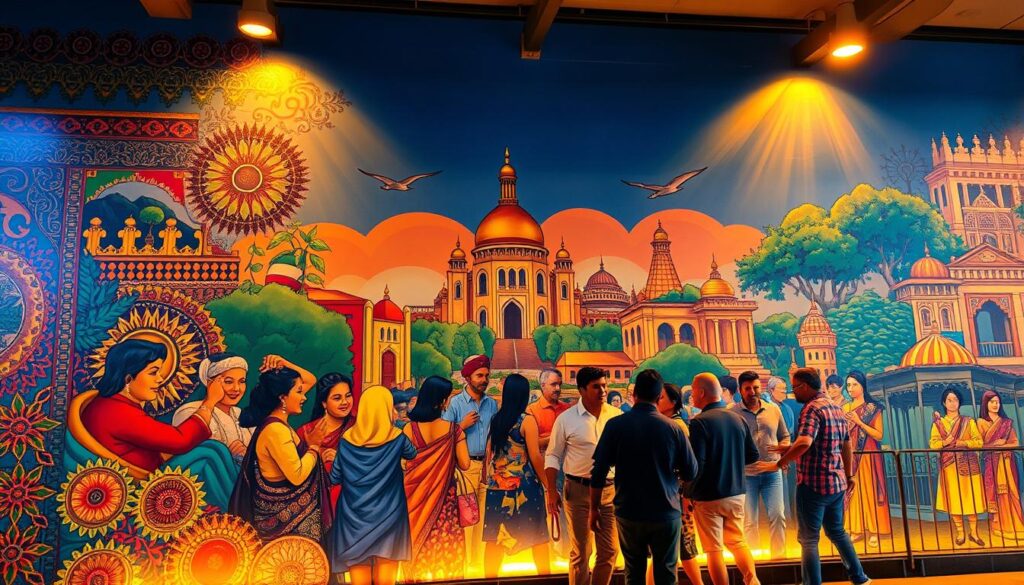
Identity-based groups and shared values
Apps that center an ethnic group let users lead with family expectations, religious practice, and traditional customs. This reduces pressure to assimilate and makes profile prompts about holiday rituals or cuisine meaningful discovery filters.
Belonging, language, and intergenerational connection
Bilingual interfaces bridge gaps between younger and older users. In the United States, where the majority experience shapes mainstream design, these platforms give minority people a space to find resonance.
- Faith filters and profile badges let users self-select by religion or modesty preferences.
- Community moderation and festival success stories build trust and concrete examples of shared life goals.
- For native american users, respectful tribal affiliation and kinship norms are part of culturally competent design.
How we chose these apps for Ethnic-Specific Communities
Our selection focused on platforms that combine cultural authenticity with clear safety and privacy practices. We judged real-world outcomes and documented features rather than marketing claims.
Community authenticity, safety, and cultural fit
We gave priority to apps with verified cultural markers, festival listings, and partnerships with cultural groups. These signals show that a platform engages with lived traditions and local organizers.
Safety was a major factor. We checked reporting flows, moderation speed, and the number of safety tools like photo verification and block limits. These elements support minority rights and reduce harassment.
Language options, diaspora reach, and inclusivity
Language support mattered. Apps offering multi-language UX, in‑app translation, and diaspora-aware onboarding scored higher. That helps first- and second‑generation users connect across borders.
We looked for city hub density, international matching toggles, and event calendars that reflect cross-border life. Inclusivity also meant clear profile terms for gender, faith, and family goals.
Privacy practices and moderation against bias
Privacy policy clarity was non-negotiable: plain-English disclosures, limits on data collection, and transparent governance were required. We verified government compliance where applicable.
Finally, we favored platforms that publish measurable efforts on moderation and bias mitigation. This article and list rely on an independent rubric that values protection, representation, and meaningful connection for ethnic groups.
Top dating apps for African American communities
Apps that center Black culture often combine faith life, local events, and professional networks to help people meet with intent.
Best for faith-centered connections and Black church traditions
Look for platforms with religion filters, choir or ministry tags, and integrated church calendars. These tools help users find partners who share worship patterns and service life.
Best for culture-forward events and local groups in New York and beyond
Culture-forward apps surface meetups, Juneteenth events, and neighborhood mixers. Local hubs like New York boost the chance of offline meetings and stronger match quality.
Best for professionals and interest-based matching
Professional networks add HBCU alumni badges, mentorship options, and civic interest tags. Profiles often highlight natural hair appreciation prompts and family service cues.
- Language: English-first with diaspora tags for Caribbean and African heritage.
- Safety: anti-colorism policies, bias reporting, and moderation of coded language.
- Women: message controls and consent tools to reduce harassment.
| Focus | Key feature | Best for |
|---|---|---|
| Faith-aligned | Church calendars, religion filters | Shared worship and ministry life |
| Culture events | Local meetups, festival listings | In-person connections in major hubs |
| Professional | HBCU tags, mentorship filters | Career-minded individuals and networking |
Best apps for Hispanic and Latino communities
Dating platforms that support Spanish and English help people keep cultural ties while meeting locally.
Look for Spanish-first and bilingual apps that let users code-switch in chat and choose a Spanish UI. These features matter in the united states where about 18.5% of the population identifies as Hispanic or Latino.
Heritage prompts should include regional cuisine, music genres, and holiday traditions. Those cues make profiles feel authentic and help people bond over hometown pride.
Cross-border reach and family, faith filters
Good apps have tools for long-distance discovery and diaspora links to south america and the Caribbean. They respect travel and immigration patterns for sustained relationships.
Religion filters (Catholic, Evangelical, syncretic) and family fields (family goals, language at home) align values quickly. Safety features and bilingual anti-harassment support reduce spam and unsolicited messages.
| Feature | Why it matters | Best for |
|---|---|---|
| Spanish-first UI | Better expression, cultural nuance | First-generation users and elders |
| Cross-border search | Connects diaspora across regions | Long-distance and international matches |
| Family & religion filters | Clarifies values and observance | Family-oriented people and faith-based matching |
Top picks for Asian American communities and subgroups
Platforms that surface regional cues and professional networks make a real difference for Asian users in the United States.
Asians make up about 5.9% of the U.S. population, and their dating needs vary widely by subgroup. East Asian, South Asian, and Southeast Asian groups each bring distinct languages, faiths, and family expectations. Choose apps that reflect those differences.
East Asian-focused spaces for cultural nuances
Look for family-intro prompts, Lunar New Year plans, and regional cuisine cues. These help spark deeper conversation and show cultural fluency.
South Asian matchmaking with family, religion, and community filters
Find platforms with religion and family-value fields, private options for sensitive disclosures, and respectful handling of caste or community tags.
Southeast Asian-friendly platforms with language support
Language badges and diaspora tags connect first- and second-generation users. Cross-border reach matters for long-distance ties.
Profession-forward networks addressing the “bamboo ceiling”
Apps that add mentorship, leadership events, and ERG listings help minority professionals move into leadership. Encourage women to use message controls and visibility settings to reduce bias in first-message dynamics.
| Focus | Key feature | Best for | Example prompt |
|---|---|---|---|
| East Asian nuance | Holiday & family prompts | Traditional introductions | “Lunar New Year plans?” |
| South Asian matchmaking | Religion & family filters | Values-aligned matches | “Diwali hosting preferences” |
| Southeast Asian reach | Language badges | Cross-border diaspora links | “Comfortable speaking Vietnamese?” |
| Profession-forward | Mentorship & events | Leadership-minded users | “Looking for a mentor?” |
Dating apps centered on Native American and Alaska Native identities
Dating apps that center Native identity can bridge long distances across reservations, towns, and urban centers.
American Indian and Alaska Native populations make up about 1.3% of the united states. Many live in hard‑to‑count census tracts, so apps should set realistic expectations for match pacing.
Respecting tribes, languages, and indigenous peoples’ traditions
Good platforms let users self‑identify by nation or tribe and support indigenous languages. They honor cultural protocols for introductions and elders with profile fields and private prompts.
“Design that includes tribal input protects sacred traditions and prevents misuse of names and symbols.”
Connecting across reservations, urban communities, and Alaska Native groups
Design should reflect geography: reservation, rural, and urban settings need different search filters and privacy safeguards. Strong reporting, privacy controls, and partnerships with tribal councils help validate cultural fit and protect minority rights.
- Include language learning progress and ties to homelands in profiles.
- Moderate to stop stereotypes and protect ceremonial content.
- Respect kinship systems and prevent misrepresentation of tribes.
Arab and Middle Eastern American communities
Platforms that surface homeland ties and observance levels make introductions clearer for Middle Eastern diasporas.
Apps should offer faith-aligned matching for Muslim, Christian, and other traditions with clear observance indicators. Shared language filters for Arabic and regional dialects help users find cultural fit quickly.
Design must include fast reporting channels and transparent anti-bias policies. Bias and discrimination—documented by EEOC and other agencies after 9/11—make robust safety tools essential for trust and minority rights.
- Women-centered safety: photo verification, restricted messaging, and visibility controls.
- Nuanced identity fields: let users choose the term “Arab” or “Middle Eastern” and add homeland, dialect, or diaspora tags.
- Community features: halal-friendly event listings, language practice groups, and faith study circles.
Apps that partner with ERGs and cultural organizations scale offline meetups, mentorship, and local support. Note population density in major U.S. hubs to set realistic match expectations.
“ERGs such as Intel’s Arab Intel Community show how organized support reduces bias and increases inclusion.”
Native Hawaiian and Pacific Islander community-focused apps
Platforms that respect Pacific languages and kinship norms can improve matchmaking for island-origin people.
Native Hawaiian and Pacific Islander populations are small and often undercounted in the united states. That undercounting links to reduced access to resources and highlights education and health gaps.
Good apps honor indigenous peoples’ protocols, support language badges, and offer island-to-mainland search options. They pair cultural prompts with privacy features to protect identity in tight-knit groups.
“Design that centers sovereignty and local input reduces misuse of names, symbols, and ceremonial practices.”
Event discovery should list canoe clubs, hula groups, and cultural festivals to ease in-person meeting. Women get safety controls and strong moderation to counter stereotypes and microaggressions.
| Focus | Key feature | Best for |
|---|---|---|
| Cultural respect | Tribal/Island tags, language badges | Intergenerational connection |
| Privacy | Selective visibility, tight radius controls | Small populations and rural areas |
| Local ties | Event listings, mutual aid groups | Wellness and cultural practice beyond dating |
Multiracial and two or more races communities
About 2.8% of respondents chose “two or more races,” so mixed identities are a visible part of the modern population. Platforms should reflect that reality for the entire population of users in the united states.
Profiles that let users list multiple heritages and languages help mixed-background people express nuance. Allowing context notes about upbringing, household languages, and cultural affiliations makes introductions clearer.
Identity-flexible profiles and cultural tags
Let users pick preferred term choices—biracial, multiracial, or other labels—and note where terms are used interchangeably in daily life. Provide language badges that show comfort levels with languages and let users mark which heritage shapes dating preferences most.
Design should address safety risks from double discrimination, especially for women and LGBTQ+ users who face layered bias. Offer discovery filters that let people indicate how strongly each identity matters for matches.
| Feature | Why it helps | Best for |
|---|---|---|
| Multiple heritage tags | Shows blended roots and context | Users with mixed family backgrounds |
| Language badges | Sets honest chat expectations | Household languages and learners |
| Strength sliders | Indicates identity importance | People whose preferences vary by context |
Include examples of profile prompts that celebrate blended traditions and family stories. Note that some users also identify with native american ancestry and may seek respect for tribal affiliation and protocols.
Finally, encourage local peer groups for shared support and realistic match expectations by region. This helps set pace for match density and builds safer spaces for mixed-race dating.
Language-first dating apps that connect ethnic groups globally
Language-first dating platforms help people keep heritage alive while expanding matches across borders.
These apps match by spoken or written languages, add in-app translation, and let users set proficiency for each term or script. That lowers barriers for individuals who grew up bilingual or who want to practice a heritage tongue.
Language alignment boosts response rates and deeper messages. Time zone and regional populations shape reply windows, so matches across South America or the Caribbean often need patience and scheduled chat times.
Platforms also host learning channels, music and film exchanges, and safe practice rooms where users trade phrases and correct dialect gently. Moderation policies tune moderation for slang and regional dialect to prevent misunderstandings.
| Feature | What it does | Best for |
|---|---|---|
| Language badges | Shows fluency and script (e.g., Spanish, Arabic) | Heritage speakers and learners |
| Inline translation | Translates messages in chat instantly | Long-distance matches across regions |
| Learning rooms | Practice groups with moderators | Intergenerational connection and preservation |
- Tip for U.S. users: use English-first UI but switch to heritage language in private chats to build intimacy.
- Use clear labels for native american languages and other less common scripts so profiles reflect exact skills.
Faith, tradition, and values-based matching across ethnic groups
Faith and ritual often shape who people seek, so dating apps that surface religious life can speed better matches.
Religious and cultural institutions act as anchors. Filters that record observance levels, denominational detail, and holiday participation help set clear expectations about marriage, family roles, and worship habits.
Religion filters that reflect community practices
Good filters go beyond a single checkbox. They list denomination, fasting rules, festival participation, and private observance options.
- Prompts about traditions and life milestones let users surface shared values early.
- Support for liturgical languages and terms helps users represent faith identity accurately.
- Event calendars and group listings tie profiles to worship, service projects, and holiday meetups in the United States.
“Values-based filters make it easier to find partners who share both faith practice and cultural heritage.”
Include intrafaith and interfaith settings to show flexibility or firm boundaries. Note where faith groups cluster; population density affects discovery speed and meetup reliability.
| Feature | What it captures | Why it helps |
|---|---|---|
| Observance slider | Daily, weekly, occasional | Matches on lifestyle and ritual timing |
| Denomination detail | Specific branch or tradition | Reduces mismatched expectations |
| Holiday & service events | Calendar, RSVP, volunteer projects | Moves connections offline safely |
Design must promote respectful dialogue and strong moderation to prevent harassment or proselytizing. Encourage clear, nonjudgmental use of term fields and let Native American traditional practices and syncretic faith expressions be described respectfully.
Women-centered dating spaces within minority communities
When apps design with women-first defaults, safety and consent become standard features rather than afterthoughts.
Women of color face layered challenges online: workplace bias extends into social platforms, and harassment can be racialized. Apps that put safety front and center reduce risk and boost confidence for individuals seeking matches in the united states.
Safety controls and anti-harassment design
Look for platforms with photo and identity verification, message-request filters, and persistent block/report tools. These features stop bad actors and speed enforcement.
- Clear anti-harassment policy language and fast enforcement with visible outcomes.
- Women-first initiation options, rate limits, and prompts that discourage unsolicited messages.
- Trauma-informed support links, regional hotlines, and legal aid resources across the United States.
- Visible rules against fetishization and colorism, plus moderation reports that show action taken.
- Community-led support circles: mentorship, wellness groups, and LGBTQ+ affinity spaces.
- Diverse moderation teams that include Native American, Black, Latina, Arab, and Asian perspectives.
“Design that centers consent and clear enforcement makes online dating safer for women and builds trust across ethnic groups.”
| Feature | Why it matters | Best for |
|---|---|---|
| Verification & filters | Reduces fake profiles and unsolicited contact | Women seeking safer first contacts |
| Trauma-informed support | Offers immediate resources after incidents | Individuals needing quick escalation |
| Affinity groups | Builds peer support and resilience | Minority groups and mentorship networks |
Embed consent education in onboarding and encourage in-app groups where women can organize safe meetups and share experiences. These structures help address practical and cultural challenges and increase belonging for users from many ethnic backgrounds.
Diaspora-driven apps that connect communities across borders
Platforms that track diaspora patterns help users find matches where people actually live and gather. Mapping hub density gives realistic expectations about events and reply times across the united states.
City hubs and regional ties
Many diaspora networks cluster in big cities like new york and in regional areas such as north carolina. These clusters form dense social networks that support meetups, festivals, and local mutual aid.
Features that strengthen cross-border ties
Choose apps that show population and area density, provide language and dialect filters, and enable event listings for cultural nights and professional mixers.
- Discovery that maps diaspora density across hubs and smaller towns.
- Identity tags for homeland, migration story, and travel cadence to aid planning.
- Groups that organize mutual aid, advocacy efforts, and cultural education.
- Safety checklists and travel-date best practices for individuals keeping long-distance ties.
“Diaspora apps are part of infrastructure: they help belonging, resilience, and cultural continuity.”
Community features that matter: events, groups, and resources
Apps that link events, groups, and resources make it easier to move from chat to real-world impact. Good platforms let people form spaces for interest, practice, identity, and action so engagement leads to measurable support.
From communities of interest to communities of action
Communities of interest (hobbies or culture) and practice (skill sharing) translate into in-app groups and offline workshops. These small units help individuals learn, meet, and build trust before deeper connections form.
- Event RSVPs and calendar invites to turn online interest into in-person meetups.
- Group chats with roles—moderator, organizer, volunteer—to keep work organized.
- File and resource sharing plus announcement channels for coordinated efforts.
Identity-based groups preserve language and ritual by anchoring festivals and ceremonies in the United States. Apps should also include a clear list of local resources: cultural centers, faith institutions, and ERGs with integrated maps for access.
Transparent governance builds trust at scale. Moderator codes, voting on rules, and safety escalation paths show accountability. This matters for native american and other indigenous peoples who need culturally respectful norms and symbol use in group settings.
Cross-community collaboration—music nights, art shows, charity drives—deepens bonds beyond one-to-one matching. Feature sets that support these efforts help ethnic groups mobilize volunteers, share resources, and sustain long-term community work.
Safety, privacy, and bias mitigation on ethnic community apps
Trust starts with verification, reporting, and governance that reflect the needs of underrepresented groups on dating platforms.
Verification, reporting, and inclusive policy signals
Verification should be layered: photo checks, selfie video liveness, and optional document validation help stop impersonation. Badges must appear only after successful checks to reduce spam and fake accounts.
Reporting flows need clear steps and response-time guarantees. Users should see acknowledgement, a status update, and anonymized enforcement outcomes to build accountability.
- Bias mitigation training for moderators and inclusive language in guidelines protects individuals from harassment.
- Privacy-by-default: location blurring, minimal profile fields, and opt-in discovery for sensitive identities reduce exposure for small groups.
- Government-compliant data practices: retention windows, export/delete options, and plain-language notices help people control their data in the united states.
Native american and American Indian users face unique risks in small populations. Platforms should offer extra privacy controls and cultural-review paths to prevent misrepresentation of peoples, names, and symbols.
“Publishing population-level safety insights without exposing personal data helps platforms refine policy and show measurable progress.”
Finally, include community escalation paths—trusted contacts, event safety leads, and real-world meet checklists. Design must remain people-first with inclusive name/pronoun fields and content warnings for sensitive topics.
How to pick the right ethnic community dating app for you
Pick an app that fits your relationship timeline, language needs, and cultural expectations. Start by deciding whether you want casual dating, long-term partnership, or marriage. This single decision narrows the list of suitable platforms.
Assess goals, language needs, and cultural expectations
Make a short personal checklist: relationship goals, faith alignment, preferred languages, and comfort with public events versus private introductions. Evaluate how each app represents your ethnic group and subculture—look for accurate terminology, cultural prompts, and a respectful moderation tone.
- Compare languages offered, auto-translation tools, and conversation starters that capture humor and nuance.
- Consider family expectations: filters for family goals, observance, and community involvement signal compatibility early.
- Check area density and event calendars; active local groups predict faster, more relevant matches.
- Review verification, reporting, and data privacy controls; prefer platforms that publish enforcement details.
- If you identify as native american or with another indigenous identity, confirm respectful identity fields and cultural protocols.
“Shortlist 2–3 apps from this article and test each for a week to compare conversation quality, event offerings, and values alignment.”
Conclusion
Conclusion
Well-designed identity fields and clear term choices let people present their full background. That clarity supports cultural heritage and helps matches start from shared values.
Community-centered design also improves safety and belonging for small populations. Religion and traditions remain key to aligning family expectations and celebration plans.
Account for area density and event activity when you pick an app. Remember native american and other indigenous peoples need respectful protocols and extra privacy controls.
Use the list in this article to compare features by number and fit. Shortlist two apps, test features, attend an event, and choose the platform that feels right for you and your peoples.