
Anúncios
Ever wondered if matching on meals could matter more than matching on hobbies? Dating apps now let people filter by diet and dining habits so profiles reflect everyday food and drink choices, not just short-term weight plans.
That shift helps align expectations early. When profiles note vegan, gluten-free, keto, or halal preferences, couples avoid friction around restaurants, home cooking, and weeknight meals.
Anúncios
The word diet here means daily foods and beverages plus the nutrition and health goals that shape them. Motivations vary — ethical beliefs, religious rules, clinical needs, or weight and nutrition aims — and each matters when people write honest bios.
In the U.S., local menus, grocery labeling, and restaurant options influence how dating plays out. This listicle will cover common types like vegan/vegetarian, gluten-free, low-carb, Mediterranean, dairy-free, and faith-based choices.
Anúncios
Be specific and respectful in profiles (for example, “gluten-free for celiac”) and use app safety tools when needed. Aligning on a dietary lifestyle doesn’t require identical eating, but it does make sharing meals easier.
What this list covers today in the United States
This guide focuses on how food availability and app tools shape dating for people across the United States.
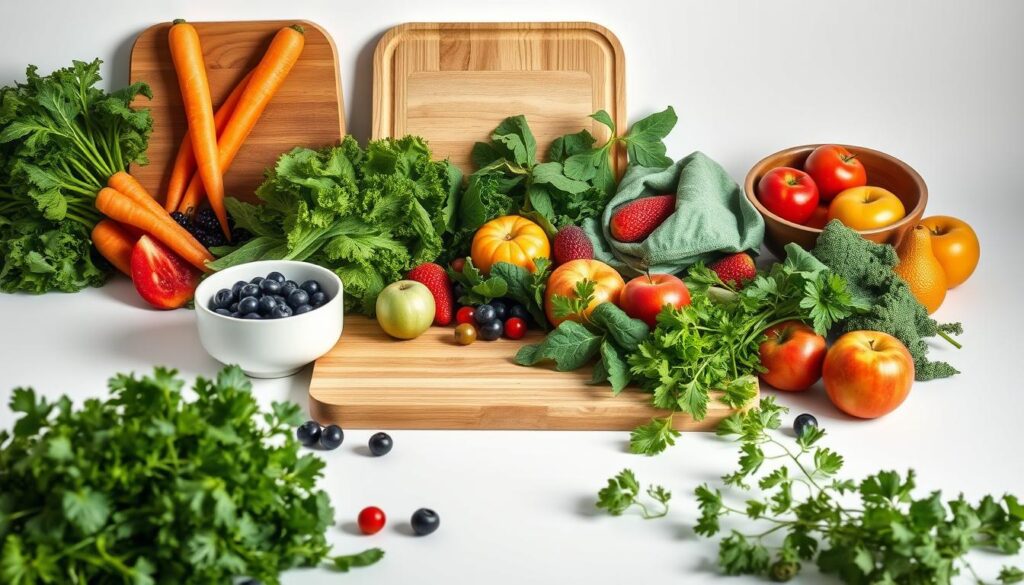
We cover common diet types you’ll see in profiles: plant-based (vegan, vegetarian), gluten-free, low carb and keto, paleo, DASH, Mediterranean, dairy-free, low‑FODMAP, and faith-based frameworks like kosher and halal. These types appear frequently as match filters because they affect dining choices and everyday eating.
Practicality matters here. We emphasize health and nutrition benefits when strong evidence exists (for example, DASH and Mediterranean in heart and blood‑pressure studies). Other entries are noted as personal preferences or clinical needs.
This is informational, not medical advice. People with disease-related or clinical dietary needs should follow their health provider.
- App features such as tags, badges, and ingredient filters can help people find matches who share a diet way of life.
- Food access varies by city; that affects first-date venue choices and shared cooking ideas.
- Even within the same diet, interpretations differ — use conversation to clarify boundaries.
- Weight and loss goals are personal; prioritize respect and compatibility over prescriptive talk.
Finally, use in-app safety features and pace dates comfortably, especially when medical diets are involved.
Search intent and who this guide helps
Many singles want their meals and values to match, so food preferences often steer early compatibility checks.
This guide helps people who want their diet and dietary values reflected in matches—whether for ethics, health, religion, or lifestyle reasons.
People prioritizing diet, health, and values in relationships
Use clear labels and nutrition-informed tags in your profile to set realistic expectations from the first message. Short notes like “plant-based for animal welfare” or “DASH-minded for heart health” say why you eat a certain way without oversharing medical details.
Call out food triggers and off-limits items early to avoid awkward restaurant mix-ups. That saves time and makes planning dates smoother.
- Distinguish preference from clinical need—this helps conversations stay compassionate and accurate.
- Acknowledge weight or weight-loss goals as one possible motivation, but keep tone respectful and nonjudgmental.
- Try simple prompts: favorite comfort food, go-to grocery haul, or a cooking hobby to show personality beyond labels.
Compatibility often comes from shared values and flexibility. Matching on a diet is helpful, but it complements other interests and long-term goals.
How we evaluated dating apps for dietary lifestyles
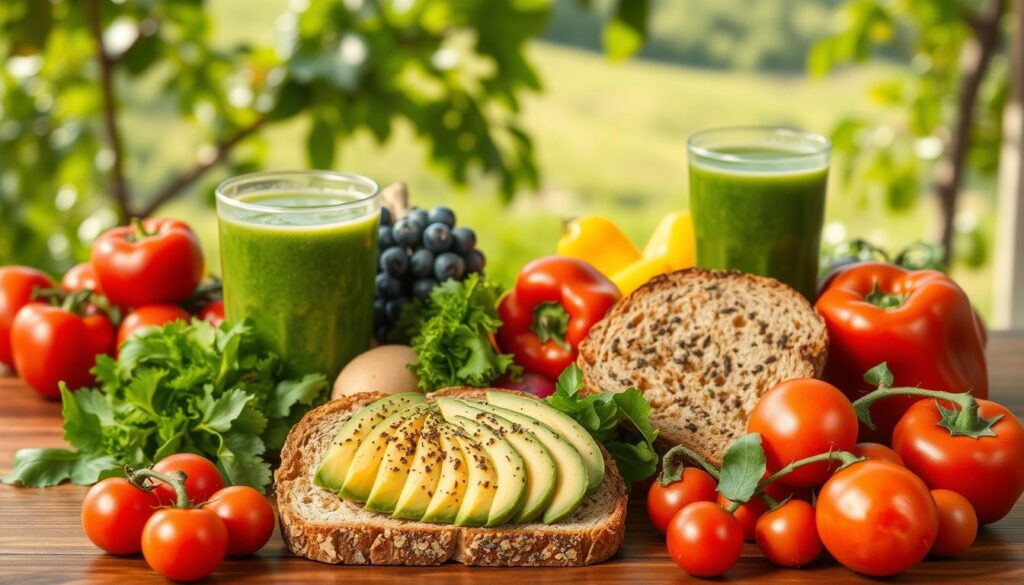
We tested apps on how well they surface food preferences and handle medically important labels. Our goal was practical: find features that save time on first dates and reduce risk for people with clinical needs.
Filters for foods, diets, and ingredients
Priority went to platforms that let users tag specific diet types, filter by ingredients, and note restaurant preferences. Clear fields for intake and product choices—like dairy-free items or plant-based alternatives—help matches quickly.
Community size, safety features, and verification
We checked active user counts by city. Larger communities improve match odds. Safety features mattered more: ID verification, reporting tools, and content moderation scored highly.
Evidence-based diet tags and medical context
We favored apps that include evidence-based tags such as Mediterranean and DASH, which have strong studies backing long-term health benefits. Apps also scored higher when they distinguished medical needs like gluten-free for celiac patients from general preferences.
“Good apps make it easy to state needs, explain boundaries, and find respectful matches.”
- Usability: are food and nutrition fields easy to set?
- Education: does the app provide context for disease-related labels?
- Avoid platforms that promote extreme or crash plans without evidence.
Best apps for plant-based preferences: vegan and vegetarian dating
Plant-forward apps make it easy to find matches who shop, cook, and eat similarly. Use platforms that offer clear tags so profiles show if someone is vegan, vegetarian, lacto-ovo, lacto, ovo, pescetarian, or reducetarian.
Profile tags and clarity
List staple protein sources—legumes, tofu, tempeh—and favorite vegetables and fruits to signal high-fiber, plant-forward eating. Note whole grains and grain preferences to show pantry habits.
Practical food boundaries
Be explicit about animal products like meat, eggs, dairy, and honey in settings and prompts. Short lines such as “no eggs or dairy” or “lacto-vegetarian for cultural reasons” reduce confusion.
Signals that attract like-minded people
- Mention plant-based products you use (oat milk barista blends, tempeh bacon).
- Share photo ideas: a colorful produce haul, meal-prep bowls, or a farmer’s market visit.
- Use messaging prompts about favorite plant-forward restaurants, cooking classes, or community events.
“Being specific about foods makes dates smoother and shows practical compatibility.”
Gluten-free and celiac-friendly dating filters
Dating while managing celiac disease requires precise language and thoughtful venue choices. A gluten-free diet is a medical treatment for celiac disease, non-celiac gluten sensitivity, gluten ataxia, dermatitis herpetiformis, and wheat allergy. State that distinction in your profile so matches understand the stakes.
Why medical gluten-free differs from preference
Some people avoid wheat as a preference; others need strict vigilance. Medical gluten-free eating eliminates wheat, barley, and rye entirely to prevent disease effects. Note in your bio if your avoidance is clinical versus wellness-oriented.
Dining safety and practical date ideas
Look for apps with a clear “gluten-free” tag and a notes field for cross-contamination concerns. List grains you avoid and safe alternatives—certified GF oats, rice, corn—and name products or bakeries you trust. Mention that dairy products, sauces, and seasonings can hide gluten so staff conversations and label reading matter.
- Prefer venues with dedicated GF kitchens or trained staff and celiac-safe protocols.
- Ask about prep surfaces, shared fryers, and beer options (GF beer or cider) before you book.
- For low-pressure dates, suggest GF-friendly cafés or bakeries with clear labeling.
Clear, respectful communication about eating needs builds trust. A short line like “gluten-free for celiac—no cross-contact” helps matches take safety seriously and plan safe meals together.
Keto, low carb, and high fat communities
Low‑carb and high‑fat eating often shapes where people pick first dates and what they cook at home. The ketogenic pattern began as a medical approach for epilepsy and now appears as lifestyle choices across many apps.
Finding matches aligned with low carb, high fat principles
Filters that flag low carb or high fat habits speed up match building. They signal fewer grains and added sugars, and more protein and fats, so shared menus feel natural.
Call out favored meat cuts, seafood, and dairy swaps in your bio. List pantry staples like olive oil, eggs, and leafy greens to show everyday habits.
Talking about sugar, grains, and alcohol in your bio
Be clear about sugar limits, grain avoidance, and alcohol preferences. Note if you skip beer, avoid breads, or enjoy dry wine to prevent mismatched date venues.
Some studies show short‑term weight loss on low‑carb plans, but long‑term health depends on nutrient quality. Avoid making weight the main topic; share hobbies and other interests too.
| First‑date idea | Why it works | Good signals to list |
|---|---|---|
| Bunless burger spot | Protein‑forward, simple swaps | Meat cuts, cheese swaps |
| Steakhouse or seafood | High fat and low carb options | Favorite proteins, olive oil use |
| Coffee or dark chocolate tasting | Low sugar dessert alternative | Caffeine or sugar limits |
“Clear bios about sugar and grains make dates less awkward.”
Paleo-forward profiles: whole foods, no grains, no legumes
Profiles that call out paleolithic eating help matches know if shared meals will center on simple proteins and produce.
Aligning on animal products, meat, fish, and poultry
The paleo pattern favors whole, unprocessed foods: meat, fish, eggs, vegetables, fruits, nuts, and seeds. It excludes grains, legumes, dairy, and refined sugar.
Use a paleo tag to find partners who avoid grains and legumes and focus on whole foods at home and on dates. Clarify if you include any dairy substitutes or occasional rice so matches know your boundaries.
- Mention favorite cuts or fish styles: “grass-fed ribeye, grilled salmon”.
- Note pantry staples: bone broths, spices, nut butters, and simple sauces.
- Suggest first-date spots: rotisserie chicken, clean barbecue sides, or a seafood house with plain preparations.
Be transparent about gray-area items like white rice or certain oils to avoid surprises. Co-create menus for home dates—roasted vegetables, salads, and simple proteins work well.
“Minimally processed foods and shared cooking routines are why many pick paleo as a lifestyle.”
Keep mentions of weight or performance goals brief and relevant. A welcoming bio line about farmers markets or weekend batch cooking signals lifestyle fit without sounding prescriptive.
DASH-minded and heart-healthy daters
For people managing blood pressure, sharing eating patterns can make the first date less stressful. The DASH diet centers on vegetables, fruits, whole grains, lean proteins, and low‑fat dairy while limiting sodium, sugar, and saturated fat.
Why low-sodium choices matter
Using a DASH tag on your profile signals low-sodium priorities. That helps partners pick restaurants and plan home meals that support lower blood pressure and long-term heart health.
Everyday foods and simple signals
List go-to whole grains, favorite fruits, and vegetables to show grocery habits. Note dairy products or milk choices and mention fish or lean proteins you prefer.
Practical date tips: ask for sauces on the side, choose grilled fish, and pick steamed vegetables or salad‑centric cafés. Limit sugar-sweetened treats—try fruit-forward desserts or yogurt parfaits instead.
- Share that reducing sodium can be a fun, shared task—use herbs, citrus, and spices at home.
- Mention that studies show blood pressure improvements on DASH and cardiovascular benefits.
- Be clear if one partner has diagnosed disease or high blood pressure so plans stay supportive and safe.
Mediterranean diet matches and flexitarian lifestyles
Profiles that spotlight olive oil, fresh produce, and seafood often attract partners who value balanced eating.
The Mediterranean diet centers on vegetables, fruits, whole grains, legumes, nuts, seeds, and olive oil, with moderate fish and poultry and limited red meat.
Using a mediterranean diet tag helps people find matches who prefer olive oil–forward cooking, fish dishes, and produce-heavy plates. Short bios like “grilled salmon, grain bowls, mezze lover” give clear cues about everyday eating and favorite restaurants.
Moderated dairy—cheese and yogurt—fits easily into flexitarian pairings. Couples who vary meat frequency can still center meals on plants and whole grains, making date planning simpler.
Studies link this diet to reduced heart disease, stroke, type 2 diabetes, and improved longevity and cognition, so the pattern appeals to people thinking long‑term about health benefits.
- First-date ideas: tapas, Greek mezze, coastal seafood, or farmers market picnics with fruits and vegetables.
- Pantry pride: olive oil, canned fish, whole grains, olives, hummus, and tahini.
- Cooking-date themes: sheet-pan fish, roasted vegetables, and herbed grains; casual wine is optional.
“The Mediterranean approach supports weight and energy goals without strict rules, easing shared routines.”
Special Diets as a match filter
Tag-based filters let you search for profiles that share daily food routines and cooking styles.
Enable the diet or dietary filter in your app settings to narrow matches by broad categories and ingredient rules. Combine tags like “no shellfish,” “dairy-free,” or “low-sodium” to increase precision.
Refine results with clear tags and notes
- Use foods and food intake tags together (for example, “no pork” + “meal prep bowls”) to find cooks and shoppers who match your routine.
- List types of meals you enjoy—soups, grain salads, or batch-cooked bowls—to attract compatible partners.
- Clarify frequency: always vs often helps people set realistic expectations for shared eating.
Test and tweak filters over time to balance pool size and match quality. Save searches you like and pin venues that work for both of you.
“Clear tags and a few positive food notes make date planning easier and more respectful.”
Use nutrition and grocery preferences to signal daily routines. Ask friendly, open-ended questions about staple foods and cooking skills to start a real conversation.
Religious and belief-based dietary choices (kosher, halal-inspired, Jain, Hindu, Buddhist)
When religion guides meals, it helps to be clear about cooking, sourcing, and shared spaces. Faith-based rules affect what someone eats and how meals are prepared. Clear profiles and gentle questions avoid awkward first dates.
Respecting principles and dining customs on dates
Brief overviews help: kosher follows kashrut with separation of meat and dairy and certified supervision. Halal prohibits pork and usually requires ritual slaughter (dhabihah). Jain practice often avoids root vegetables and favors lacto-vegetarian or vegan choices. Many Hindus limit meat and avoid beef, while some Buddhists follow vegetarian paths.
- Ask about separate cookware and utensil rules before cooking at home.
- Use filters for meat types, eggs, dairy, fish, and other animal products to narrow matches.
- Pick neutral venues with clear labeling or staff aware of kosher-style or halal-friendly requests.
- Discuss alcohol, gelatin, honey, and dessert ingredients to prevent misunderstandings.
- Try profile lines like “kosher-minded, community values, happy to share traditions”.
Honoring these principles builds trust. Clear bios and settings reduce accidental slips, especially in group dining or family gatherings.
Dairy-free, lactose-free, and casein-free preferences
Not all milk restrictions mean the same thing—clarifying yours avoids surprises on dates.
One line can explain whether you avoid all dairy, just lactose, or the milk protein casein. A gluten-free, casein-free pattern exists for clinical reasons; lactose-free focuses on digesting milk sugar. Use a clear profile tag and a short note to state which milk and milk products are off-limits.
Suggest swaps like almond, oat, or soy milk, dairy-free yogurts, and plant cheeses. Share favorite cafés or brands in photos so matches see everyday grocery choices and understand your eating routine.
Ask partners to check allergen menus and confirm with staff about butter, cream, or cheese in sauces. Hidden dairy can appear in marinades, baked goods, and even some cooking oils—mention this when planning a home date.
| Type | Avoids | Good first-date pick |
|---|---|---|
| Dairy-free | All dairy ingredients | Plant-based café or farmer’s market |
| Lactose-free | Milk sugar (lactose) | Coffee shop with lactose-free milk |
| Casein-free | Milk protein | Grill with plain proteins and veggies |
Use supportive language in your bio—note that some choose dairy-free for skin or digestive health. Respect reasons without pressuring, and suggest simple home menus like roasted vegetables, grilled proteins, and dairy-free dips to keep dates tasty and low-risk.
Low-FODMAP and elimination-style preferences for sensitive digestion
If managing fermentable carbs or removing trigger items is part of your routine, clear cues help dates go smoothly.
The low‑FODMAP approach is usually a short-term elimination followed by systematic reintroduction to pinpoint triggers. Elimination plans work similarly: remove suspect foods, then add them back slowly to see what causes symptoms.
Communicating triggers without oversharing medical details
Use a concise line in your bio like “low‑FODMAP, in reintro phase” or name a few trigger foods. That tells matches enough without personal medical history.
- Pick apps that allow custom exclusions and notes so you can navigate menus together.
- Suggest build‑your‑own bowls or restaurants with allergen charts for safer first dates.
- Plan timing—earlier meals or home cooking often reduce the risk of flare‑ups.
- Carry a safe snack and share grocery lists or meal‑prep photos to show how you manage intake day-to-day.
| Focus | Why it helps | Practical tip |
|---|---|---|
| Elimination then reintroduction | Identifies triggers | Track reactions with simple notes |
| Concise bio notes | Sets expectations | “Low‑FODMAP in reintro” |
| Date ideas | Reduces risk | Build‑your‑own bowls, allergen charts |
| Professional support | Guides safe testing | Work with a dietitian when possible |
Respect matters: avoid pressuring tastes or testing boundaries that could cause disease symptoms. Framing nutrition and food solutions positively can turn reintroduction into a shared project rather than a hurdle.
Low sugar and weight loss goals: aligning on health benefits and studies
Cutting added sugar can change how dates feel and how you talk about shared meals.
Many crash or fad plans promise rapid weight loss but often bring short-term results and health risks. Evidence-based patterns like the Mediterranean and DASH offer stronger long-term health benefits than extreme restrictions.
Realistic expectations vs. fad diets
Be honest in your profile about low sugar intentions and weight loss goals, and keep the tone positive and sustainable. On dates, focus on conversation and shared activities instead of counting calories or loss numbers.
- Pick venues and recipes that reduce sugar without removing fun—fruit-forward desserts or shared small portions work well.
- Track progress privately; discuss motivations like energy, sleep, or training rather than only scale changes.
- High-fiber meals may also help fullness and adherence, so mention staples like whole grains and beans.
- Respect personal blood-sugar needs and be gentle about high blood concerns or disease-related limits.
“Support each other’s plans without judgment and adapt date ideas as goals evolve.”
Profile optimization: how to showcase your dietary lifestyle
A concise, food-forward profile helps matches see how your meals fit into daily life. Use clear lines that name favorite protein sources, vegetables, fruits, and whole grains so cooks know what you eat and how you shop.
Keyword-rich bios: protein, fiber, whole grains, vegetables, fruits
Write short sentences that list staples: olive oil, beans, eggs, and lean meat. Add nutrition words like protein and fiber naturally. Balance “no” items with tempting “yes” foods to keep the tone inviting.
Photo prompts: grocery hauls, meal prep, and restaurant choices
Use high-quality photos of a colorful grocery haul, a week of meal prep, or your go-to restaurant plate. Visuals show intake and products you trust, which helps matches imagine real dates.
- Note eating patterns (brunch lover, early diner) if timing matters.
- Share two restaurant names you enjoy for easy first-date ideas.
- Suggest a simple home-date menu in a prompt to show initiative.
- Update seasonally with new vegetables and fruits you want to try.
| Profile element | What to include | Why it helps |
|---|---|---|
| Bio line | “Olive oil, grilled salmon, grain bowls” | Signals diet, protein, and whole grains |
| Photo | Meal prep bowl or market haul | Shows real foods and products you buy |
| Prompt answer | “My perfect grain bowl” | Attracts like-minded eaters and sparks chat |
“My go-to profile tip: name actual foods and simple rituals so matches know what to expect.”
Planning first dates that fit both diets
A first date that respects both eating habits sets a calm tone for future plans. Pick venues and plans that let each person order safely and still enjoy shared time.
From dairy-free coffee dates to whole grain-friendly brunches
Look for spots with clear menu labeling so different diets can order compatible foods side by side. Grain-friendly brunch cafés, seafood restaurants with simple fish preparations, and poultry rotisseries offer easy swaps.
Include dairy-free coffee shops with plant milk options and bakeries that list allergens. If you both avoid sugar, choose fresh fruit cups or shared small plates for dessert.
Share favorite foods lists in chat before booking to shortlist restaurants quickly. Consider timing and digestion—earlier or shorter dates often feel safer for people with sensitive systems.
For home dates, build two-bowl menus: a base of grains or greens plus protein and veg add-ins so you both customize plates. Always check in about disease-related constraints like celiac cross-contact before you reserve.
- Keep planning light and collaborative—picking a place together can build rapport.
- Save successful venues in chat for easy future planning and repeatable, low-stress dates.
Safety, consent, and respectful conversations about food and health
Clear boundaries around food and health keep early dates safe and comfortable.
Ask before bringing up sensitive topics like lab results or blood markers. Some people manage disease or medical diets and may not want to share details early.
Respect consent around tasting or swapping foods. Never pressure someone to “just try it,” especially if sealed products or certified items are needed for safety.
Use platform safety tools: verification, reporting, and public meeting spots for first dates. It’s fine to bring or request sealed products if a medical need requires them.
Keep weight and loss talk gentle and optional. Let people define how much they share about their eating, blood tests, or diagnoses.
| Situation | Best approach | Quick script |
|---|---|---|
| Someone avoids meat | Ask about comfort level and substitutions | “Is it okay if I order something different?” |
| Gluten or cross-contact concern | Offer sealed or certified items and confirm with staff | “I have a medical need—can we check the prep area?” |
| Weight or blood marker topic | Ask permission and stay supportive | “Would you like to talk about this, or skip it tonight?” |
Allies help by reading menus ahead and calling restaurants to confirm options. Small acts of respect build trust and turn dietary boundaries into a foundation for connection.
“Respecting food boundaries shows care and keeps both people safe.”
Learn more about thoughtful platform design and values on our about us page.
Conclusion
Ultimately, agreeing on meals and grocery habits removes friction and supports long-term routines.
Use filters, clear tags, and short bio lines to help the right people find you faster. Note evidence-backed patterns like Mediterranean and DASH and name medical needs such as gluten-free to show safety and health benefits.
Update your settings today, add two food-focused prompts, and shortlist three date-worthy venues. Keep curiosity and kindness central when you talk about nutrition and eating.
Celebrate vegetables, protein, dairy or dairy-free swaps, poultry, and meat choices that work for both partners. The best matches meet you where you are and make meals and moments more enjoyable—refine your profile as preferences evolve and share feedback along the way.