Anúncios
Can an app match you to someone who shares your sense of wonder and quiet meaning?
Nearly a quarter of U.S. adults—22%—now fit the profile called spiritual but Non-Religious, according to recent research. These people often believe in a soul or energies beyond the natural world, yet they skip weekly church and formal rites.
Anúncios
This short guide translates that shift into practical dating steps. It explains how the cohort differs from church-involved Americans and what that means for profiles, prompts, and photos.
Along the way, you’ll see which app features to prioritize and how to use words and images to signal real connection. The aim is clear: help readers find matches who share similar life rhythms, values, and experience of meaning without forcing doctrinal labels.
Anúncios
Expect an evidence-based, inclusive tone and actionable tips you can use on profiles, chats, and first dates to stay safe and respectful while exploring faith, nature, and shared worldviews.
What “Spiritual but Non-Religious” means for dating today
Many modern daters describe their inner life as meaningful without following a single institution. This distinction matters when two people consider long-term compatibility.
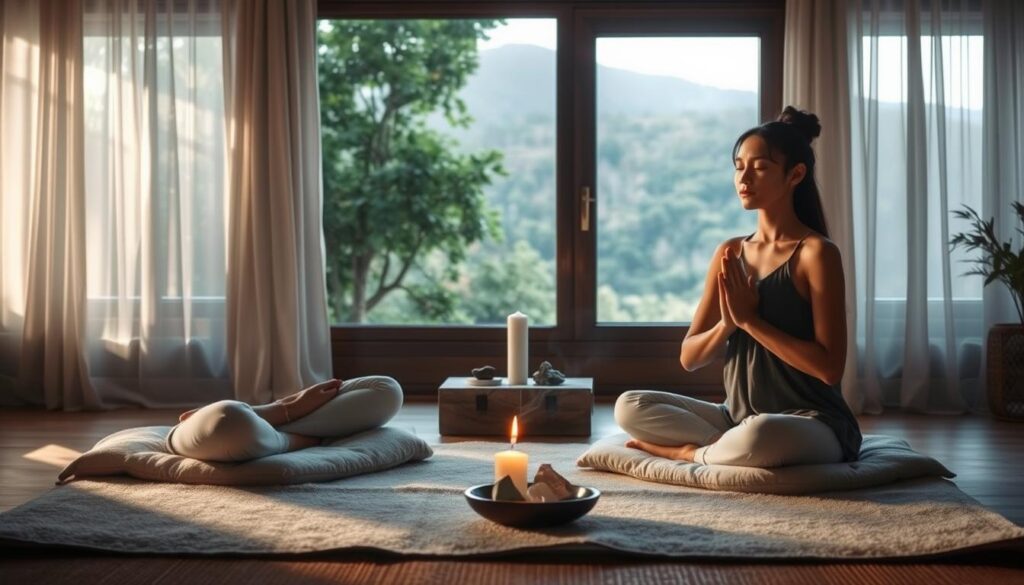
Mind-body-spirit values often center on personal practice: meditation, nature walks, and ethical living. These habits shape daily routines, holiday choices, and how couples share time.
By contrast, organized religion typically brings schedules, worship styles, and community obligations. Those expectations can affect family decisions, childcare, and attendance at a church or service.
Where seekers, explorers, and immigrants fit
Linda A. Mercadante’s categories help daters name their path. Seekers look for a new place to belong. Explorers sample practices and ideas. Immigrants adjust after adopting a different discipline or community.
Calling your approach a way of life gives clarity without gatekeeping. Talk early about whether spirituality is private or something you want to build together.
- Be specific about beliefs and daily practice to avoid mismatched expectations.
- Discuss boundaries with institutions: some will attend a partner’s church sometimes; others prefer distance.
- Use profile lines that signal freedom in practice and a shared desire to learn together.
The SBNR landscape in the United States right now
About one in five American adults now identifies with a noninstitutional approach to meaning and inner life. That 22% share forms a sizable dating population with clear patterns that affect profiles and first dates.

Who identifies as this group
People in this cohort skew younger: 58% are under 50 versus 45% of religious adults. That tilt shapes app demographics and match availability by age.
Shared ground and key differences
Research shows strong overlap on core convictions: most believe in a soul and in something beyond the material world. Those shared beliefs can open deep conversations across different backgrounds.
Differences often appear on specifics. Only about 20% accept God as described in the Bible, while many more see energy in animals (78%) and nature (71%). Crystals are more common too (25% vs. 9%).
Community involvement and dating cues
SBNR people report far lower church involvement (11% vs. 62%) but similar rates of volunteer work and modest ties to small spiritual groups. Limited church attendance does not mean disengagement from community life.
- Look for profile cues: nature, animal care, or energy work as signals of practice.
- Ask about meaning behind objects—crystals or an altar can indicate practice without institutional ties.
- Use filters and prompts to surface values; political leanings are context, not destiny.
Beliefs and practices that influence SBNR matchmaking
People who value noninstitutional belief often judge compatibility by daily habits, not labels. That makes small routines — morning meditation, weekend hikes, evening reading — key signals on a profile.
Connection to nature, the universe, and a higher power
About 73% in this group say a higher power or force matters to them, even if only 20% accept a Bible-based God. Many describe the universe or nature as alive and meaningful.
Common practices that show up in profiles
Look for meditation streaks, breathwork notes, mindful hikes, and “prayer in my own words.” These practices signal routine rather than occasional interest.
“Sustained practice often reveals more about fit than broad belief statements.”
Experience-forward profile cues
References to wonder, synchronicity, or nature trips point to the experiences someone values. Ask how those practices fit into daily life to test real compatibility.
| Signal | What it often means | How to ask |
|---|---|---|
| Meditation note | Daily mind-body practice | “How does meditation fit into your week?” |
| Crystal or altar | Personal ritual or object meaning | “What’s the story behind that item?” |
| Nature language | Outdoor time is restorative | “Favorite local spot to recharge?” |
How to choose dating apps for spiritual connections
Choosing the right dating app shapes how easily you find someone who shares your daily practices and values.
Filters and prompts that surface meaning without labels
Use filters that focus on values, routines, and outdoor life instead of denominational tags. Prompts about favorite weekend rituals or volunteer groups attract profiles that describe real practice.
Communities and groups to include in your profile
List local mindfulness meetups, nature groups, or service organizations to give matches context. Many people mix religions and practices, so showing the forms of your engagement helps understanding.
Red flags to watch for
Be wary of vague claims like “good vibes only” or language that dismisses religions or cultures. Look for concrete habits: weekly group attendance, a regular meditation time, or a named park where someone reflects.
| Signal | What it shows | Why it matters | How to verify |
|---|---|---|---|
| Named group | Consistent participation | Signals sincerity | Ask when they last attended |
| Weekly practice note | Routine habit | Predicts compatibility | Request a typical week |
| Volunteer mention | Community orientation | Matches civic values | Ask which projects they help |
| Vague aesthetics | Possible performative claim | May hide lack of depth | Seek specifics early |
“Clarity beats breadth: show a short practice detail in your profile to attract aligned people.”
For safety, meet near a public group or park you know before exploring new spaces with a match.
Profile tips for SBNR daters: turn beliefs into chemistry
Turn profile language into an invitation: name one practice that shapes your week. A simple line like “Saturday sunrise hike” or “10-minute nightly meditation” signals routine and makes compatibility easier to see.
Show, don’t tell: list specific ways you connect—nature walks, a study circle, or quiet journaling. Concrete details beat vague claims on profiles and invite a match to picture shared life.
Words that signal openness
Choose words that reflect curiosity, freedom, and love. Phrases such as “curious,” “consent-minded,” and “nonjudgmental listener” communicate how faith or inner life shapes the way you relate to a person.
Photos and authentic signals
Use images of your favorite trail, a cozy home reading nook, a simple shrine, or a worn study book. If you show crystals or incense, add a short caption that explains their meaning and the practice they support.
- Include one boundary note (example: “mornings for meditation”) to set rhythms.
- Tie beliefs to couple chemistry: mention gratitude check-ins or mindful listening.
- Invite openness: “happy to try a beginner-friendly practice together.”
Conversation starters rooted in spirituality and experience
Avoid abstract tests and ask for moments. Try: “Can you tell me about a time you felt connected to something bigger?” That prompt moves talk from words and labels into felt experience.
Use gentle nature prompts to invite shared memories. Ask, “What place helps you reset—mountains, rivers, or trees?” Short, sensory questions reveal how people spend their time and where they find calm.
- Invite embodied stories: “What practice brings you back to center when life gets noisy?”
- Swap reading lists: name one book that changed your view of the world and ask for theirs.
- If church or religion appears, pivot to impact: “How does that shape your weekends?”
Many report sudden feelings of wonder: roughly 55% say they’ve felt a connection to something beyond this reality. Use that as permission to ask about experiences openly and kindly.
“I’d love to understand how you experience meaning,” is a conversational line that invites listening, not debate.
Close heavy threads with a grounded next step. Try, “Want to continue this on a walk by the river?” Present-time plans reveal routine and compatibility while keeping the tone calm and curious.
Offline connection ideas for SBNR matches
Plan dates that invite calm, curiosity, and easy conversation in places that feel grounded.
Nature-forward outings ease nerves and let the body relax. Try an accessible trail by a river, a botanical garden, or a tree-lined park. These spots give space to talk and to notice small moments together.
Group experiences that respect privacy
Choose gentle groups that honor comfort and consent. A beginner meditation circle, a short study group, or a community service event offers shared purpose without pressure.
Attend together and debrief afterward to see how your energy and community preferences align.
Quiet rituals for deeper connection
Later dates can include simple practices: a short breathwork session, journaling at a café, or reading a passage and sharing reactions. These rituals invite presence while keeping boundaries clear.
- Match time-of-day to practice rhythms—sunrise walks for morning people, twilight strolls for evening routines.
- Check consent and pace: ask before suggesting any touch or intimate practice; keep hands-off unless both agree.
- Offer accessible alternatives—a bench with a view, an easy garden path, or a calm museum wing.
- Try small acts of attention: no phones for the first 30 minutes and a shared intention for the time together.
“The right place, group, and pace reveal compatibility more than perfect conversation.”
Safety, boundaries, and respect across beliefs
Clear limits and gentle language help conversations about religion stay respectful. Start dates with practical safety norms and a shared plan.
Agree to meet in public, tell a friend where you’ll be, and set boundaries about touch and personal disclosure. These steps protect both people and keep the focus on getting to know each other.
Discussing organized religion gently
Use words that lower heat. Try: “I respect your path; I’d love to hear how it shapes your week.” That keeps the talk about lived practice rather than debate.
Be honest about limits: “I’m not comfortable attending church, but I’m open to learning how it matters to you.” This statement names freedom and respect at once.
- Delay deep family histories until trust grows; timing matters.
- When opinions differ, name the difference and offer a practical fix—rotate weekend activities or set clear roles for holidays.
- Use kind refusals to protect dignity: decline a practice without shaming the other person.
“Some people critique institutions while still valuing prayer or group rituals; make space for that nuance.”
Note the data: a notable share of SBNR people see religion as harmful, yet many still share core beliefs about soul and connection. Aim for curiosity, not conversion.
Spiritual but Non-Religious trends to watch in dating apps
App designers now prioritize tags that let users filter by values, not by church membership.
Rising identity prompts around inner life
Expect more short prompts that ask about routine: a morning practice, a nature habit, or a phrase that explains belief. These prompts let people show how they live, not just what label they use.
That change helps matches find shared time rhythms and common experiences with less pressure to choose a religion tag.
More inclusive tags and community forms
Apps will add nuanced options: nature-based paths, nonduality, pantheism, and secular approaches. These tags let users be specific about the universe or higher power without affiliating to churches or formal institutions.
Look for growing group features: meditation meetups, service events, and hiking micro-communities that pair low-pressure gatherings with moderation tools.
| Trend | Impact on matches | User action |
|---|---|---|
| Identity prompts | Shows routine and sincerity | Share one short practice |
| Inclusive tags | Filter nuance without labels | Try new tags seasonally |
| Groups & micro-events | Meet off-label, on-values | Join small, moderated meetups |
“Profiles that name a small ritual or place often lead to deeper, faster connection.”
Research shows SBNR makes up about 22% of the U.S. population and many report belief in a higher power outside biblical descriptions. Expect apps to reflect that mix with finer-grain belief options, richer long-form fields, and in-app guides for respectful conversations.
Conclusion
<!– meta: –>
A clear profile that shows daily practice and favorite places helps matches imagine a shared life.
Translate faith, inner practice, and time rhythms into short, concrete lines so a person can picture mornings, weekend plans, and quiet moments at home. Respect for different religion paths and agreed boundaries with church life keeps conversations kind and practical.
Try small experiments: update one prompt, add a nature photo, or pick a calm place for your next date. These steps let you test what invites connection and what helps your nervous system relax.
Next step: refresh one prompt today with a specific practice, choose a nature-friendly place for your next date, and send an opening message rooted in lived experience.